









Glossary
Biopsy
A biopsy removes a small sample of living tissue so laboratory specialists can study cells under a microscope and name the disease process.
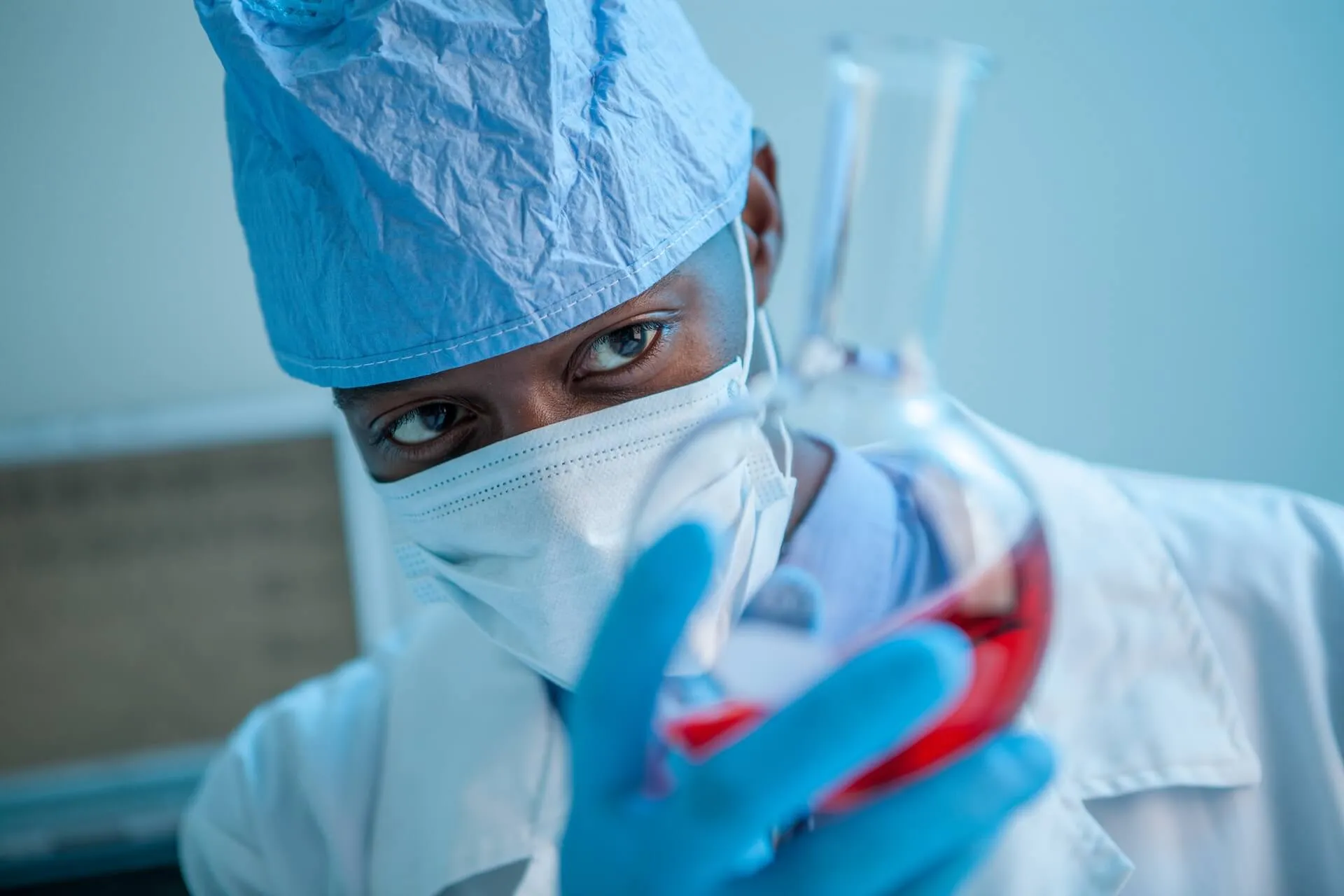
Biopsy means removing a small cylinder or strip of skin, breast, thyroid or deeper organ tissue with a hollow needle, dermatologic punch or targeted mini-incision; the wound may receive a single suture when the channel gapes. The jar travels in formalin to histopathology where technologists embed the block, cut ribbons and stain slides before a pathologist issues a typed report with lineage detail.
Written estimates specify local block versus monitored anesthesia, whether ultrasound, stereotactic mammography or CT steers the needle, how many cores the plan budgets and whether rapid frozen section carries its own facility charge.
Preparation paperwork lists anticoagulant hold rules, fasting if sedation is booked, sterile dressing steps for punch holes and how the office notifies you when immunohistochemistry or a subspecialist second read stretches the timeline.
Review bleeding likelihood against your pill list, ask what happens when imaging and pathology disagree and whether repeat coring or open excision is the agreed escalation if the first pass stays borderline.

Frequently asked questions
Does every biopsy need general anesthesia?
How long until biopsy results return?
Can a biopsy miss the abnormal area?
Where this term comes up
-
Breast Disease Evaluation
Breast disease evaluation is a clinical assessment of lumps and other changes. Examination alone does not rule out cancer, so further tests are arranged when needed.
-
Skin & Soft Tissue Lesion Evaluation
Skin and soft-tissue lesion evaluation examines lumps to decide whether removal or biopsy is needed. The decision follows clinical assessment of the lesion.
-
Breast Mass Excision / Biopsy
Breast mass excision or biopsy removes or samples a breast lump to obtain a diagnosis and guide treatment. The choice depends on the clinical findings.




