









Glossary
Septal cartilage
Septal cartilage is the flexible hyaline plate that forms the anterior and inferior midline wall inside the nose and supplies graft material in many rhinoplasty plans.
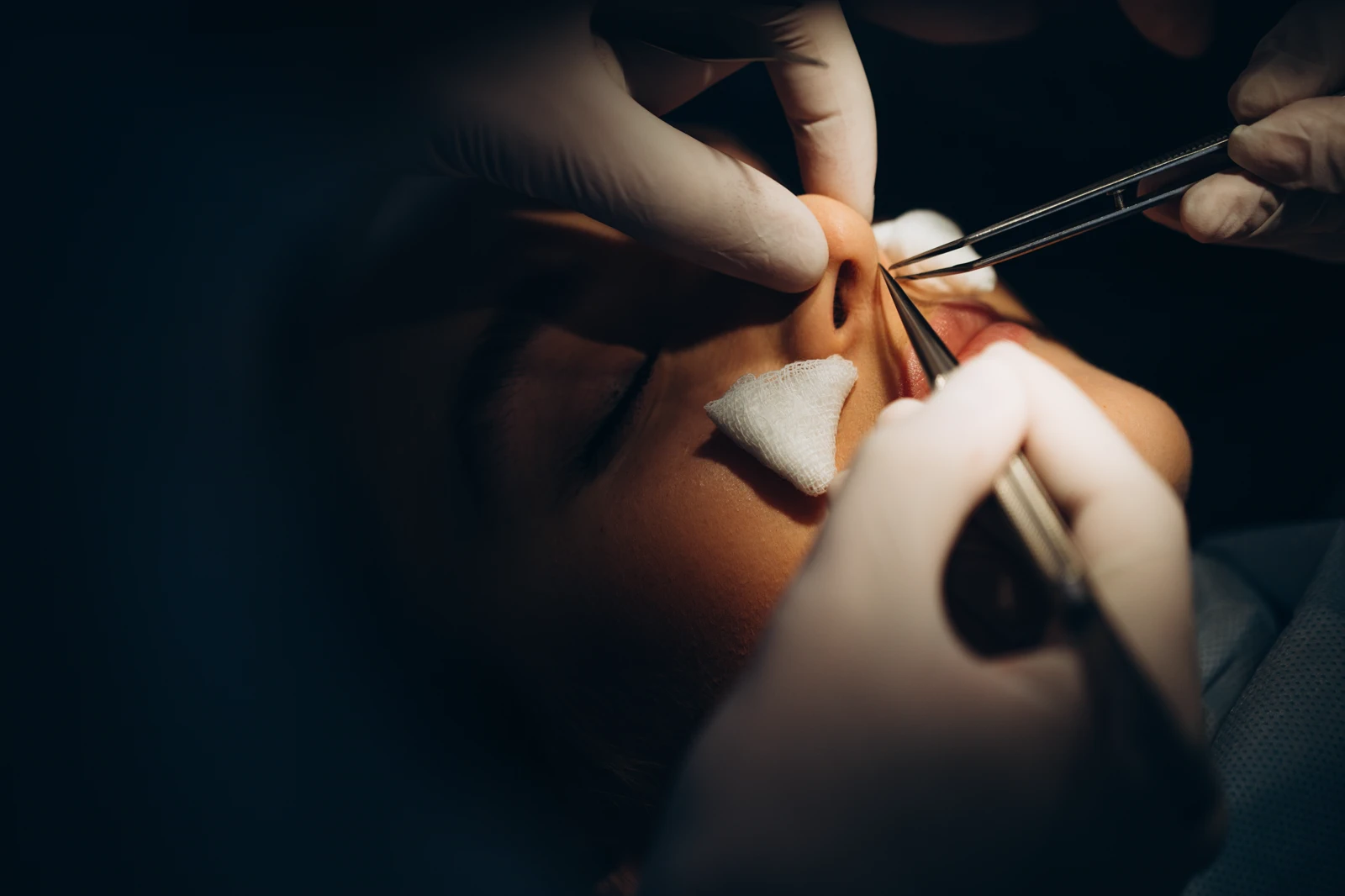
Septal cartilage sits between nostrils, providing structural firmness yet remaining pliable enough to mould during septoplasty or tip graft harvest. Surgeons value it because matches native tissue mechanics and hides scars inside the nose.
CT planning or endoscopy may show deviation, spur or previous loss. Cartilage quality, thickness and prior surgery influence whether a strip becomes spreader graft, shield or extension strut.
Ask how much septal cartilage your quote expects to reposition versus remove, and whether auricular or costal cartilage backup appears if supply runs short during complex reconstruction.
Operative notes that spell out millimeters resected and the thickness of the remaining L-strut spare revision surgeons from guessing how much structural cartilage truly remains when a late trauma occurs. Suture material choice and internal splint duration subtly influence how smoothly you breathe during the first nights home. Progressive calcification in older cartilage occasionally shifts planning toward imaging-heavy algorithms before carving extended grafts for revision rhinoplasty.

Frequently asked questions
Will removing septal cartilage collapse my nose?
Does septal cartilage regrow after surgery?
Is septal cartilage used purely for breathing?
Further reading




