









Glossary
Acne vulgaris
Acne vulgaris is a chronic inflammatory disease of the hair follicle and its oil gland that produces comedones, papules, pustules and sometimes nodules.
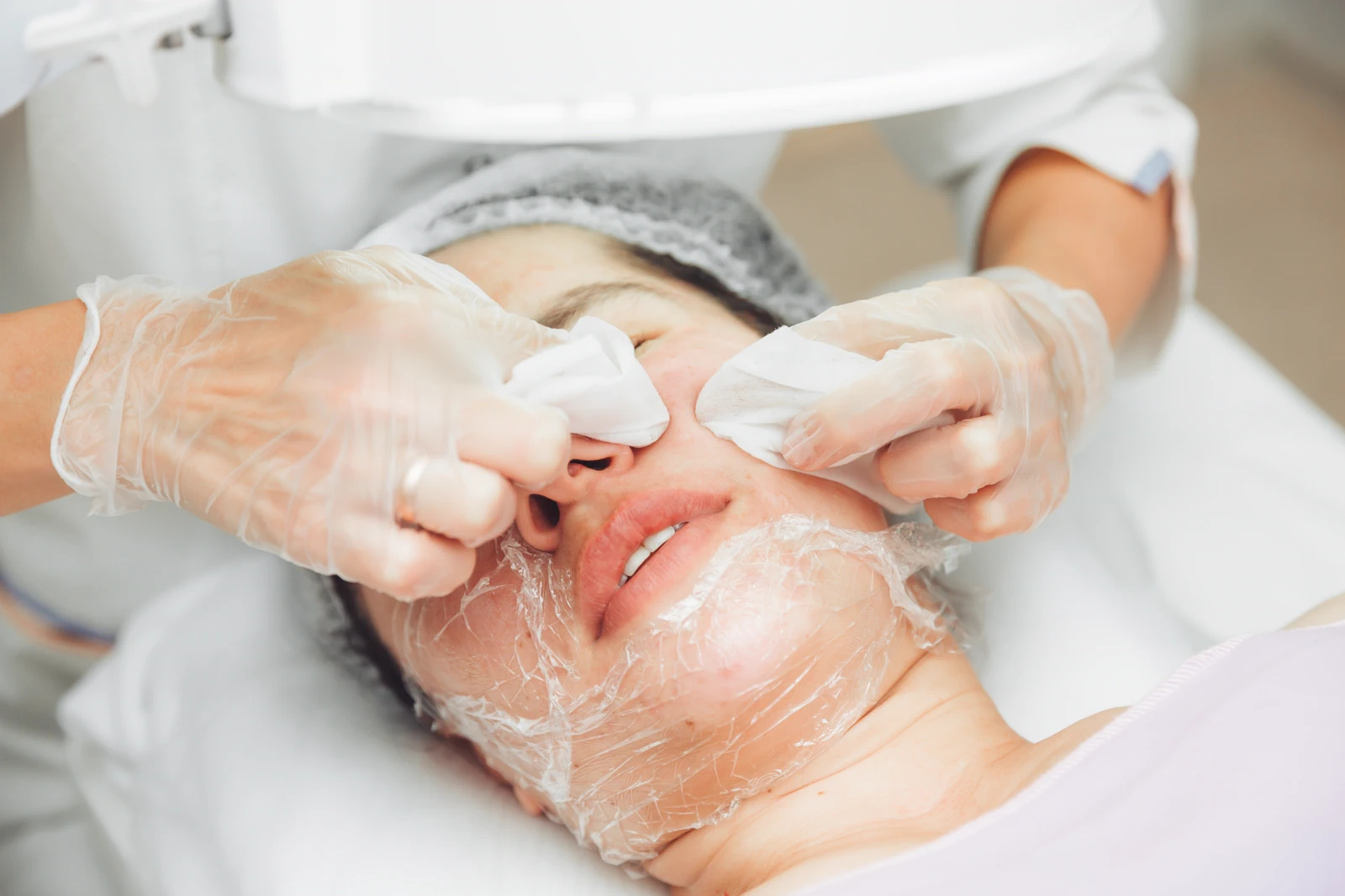
Acne vulgaris is a chronic inflammatory disorder of the pilosebaceous unit, the hair follicle together with its sebaceous gland. Four processes drive it: excess sebum, sticky shedding of cells that blocks the follicle opening, overgrowth of the bacterium Cutibacterium acnes, and the inflammation that follows. The visible result ranges from blackheads and whiteheads to red papules, pustules and, in severe forms, deep nodules and cysts. It affects roughly 85 percent of people between 12 and 24, and persistent adult acne along the jawline is common in women.
At an aesthetic clinic the word comes up before peels, microneedling, laser or filler, because active lesions change what can safely be done to the skin, and after treatment, because some procedures can trigger a flare. Your consultation notes may grade it as mild, moderate or severe, which guides whether topical products, oral medication or in-clinic procedures are suggested.
Two points matter most. Scarring comes from inflamed lesions, especially nodules and squeezed spots, so controlling inflammation early is what prevents permanent marks. And any acne regimen needs 8 to 12 weeks before its effect can be judged; switching products every fortnight tells you nothing.

Frequently asked questions
Is acne vulgaris caused by poor hygiene or diet?
Why does the clinic want my acne vulgaris calm before a peel or laser?
Where this term comes up
-
Pigmentation Treatment
Pigmentation treatment targets sun spots and uneven tone to support a clearer, more balanced complexion. Complete removal is not promised.
-
Anal Fissure Surgery
Anal fissure surgery is a procedure to heal a chronic anal fissure and relieve pain and bleeding. Many fissures are treated without surgery first.
Further reading




