









Glossary
Acne scar
An acne scar is a permanent change in skin texture, usually a depression, left where an inflamed acne lesion damaged the dermis.
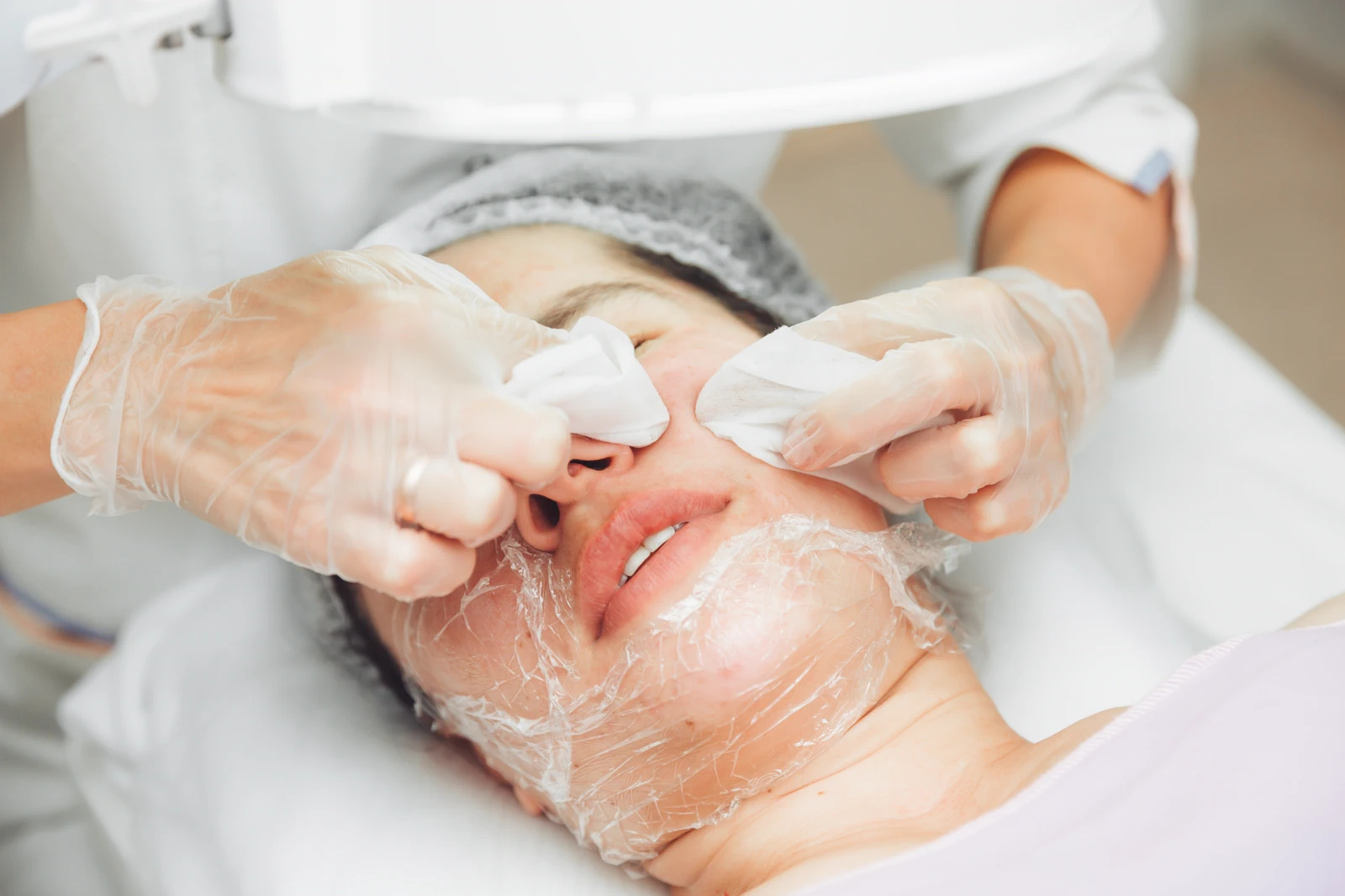
An acne scar is a lasting change in the structure of the skin that remains after an inflamed spot has destroyed collagen in the dermis. Around 80 to 90 percent of acne scars are atrophic, meaning the surface sits below the surrounding skin; dermatologists subdivide them into ice-pick, boxcar and rolling types because each responds to different tools. Raised hypertrophic or keloid scars are less common and cluster on the jawline, chest and shoulders. Red or brown marks left after a spot are discolouration, not scars, and usually fade within months.
The term appears on quotes for fractional laser, microneedling, subcision, fillers and peels, and the mix of scar types on your face decides how many sessions are proposed. A face with mostly rolling scars needs a different plan from one with narrow ice-pick pits.
Active breakouts should be under control before scar work starts, because new inflammation creates new scars. Expect improvement rather than erasure: combined treatment programmes typically soften scarring by 30 to 70 percent, and the honest way to judge progress is photographs taken under the same angled light before and after.

Frequently asked questions
Will my acne scars go away on their own?
Why does the clinic ask what type of acne scars I have before quoting?
Can I treat acne scars while I still get breakouts?
Further reading




