









Glossary
Salicylic acid
Salicylic acid is an oil-soluble beta-hydroxy acid that unclogs pores, reduces excess oil, and calms inflamed papules in acne-prone skin.
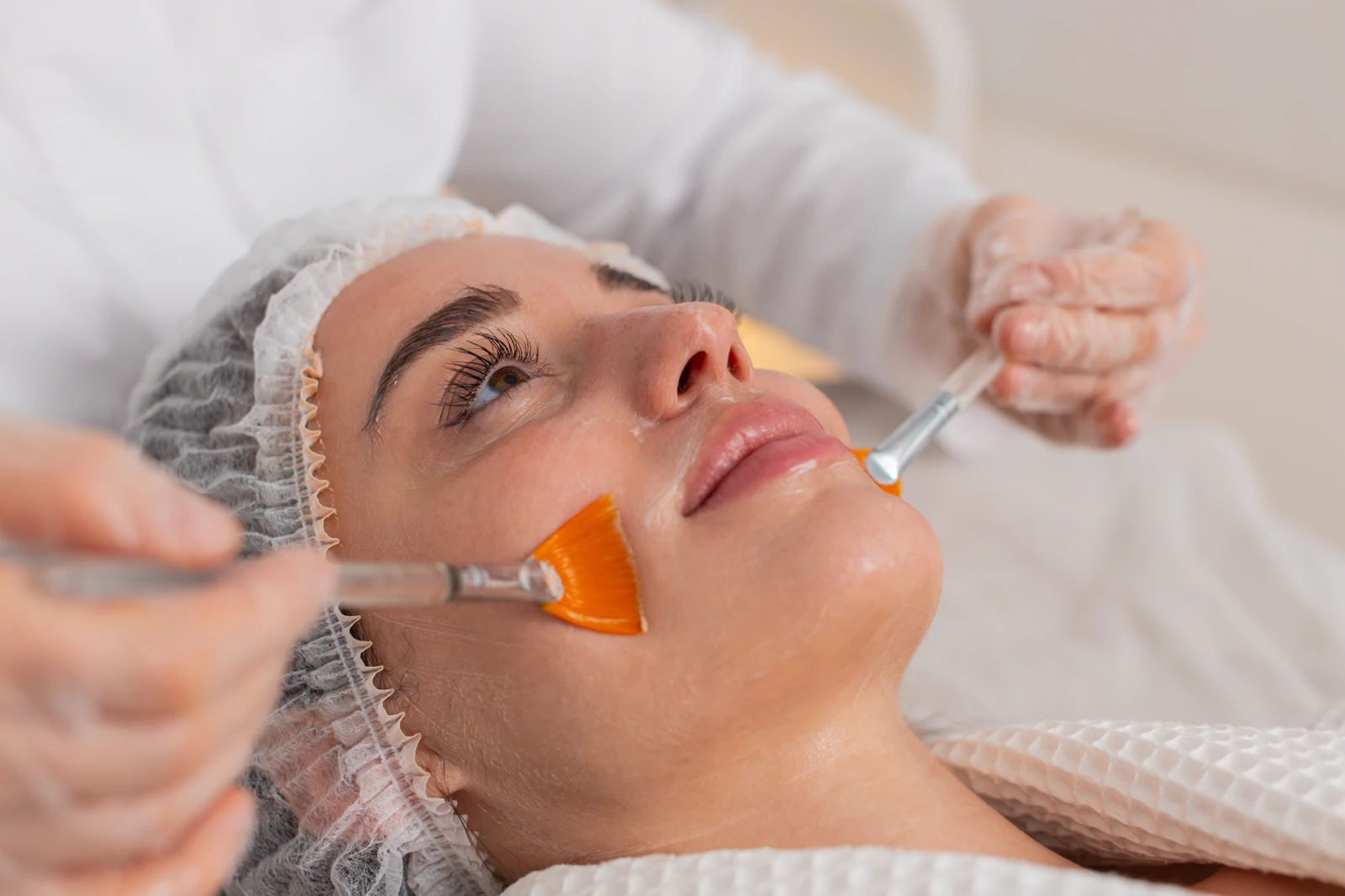
Salicylic acid is a beta-hydroxy acid that dissolves in skin oils, so it can travel into the mouth of congested pores and loosen retained material. In clinic language it appears on chemical peel plans, homecare regimens, and spot treatments aimed at comedones or mild inflammatory lesions.
Compared with water-soluble alpha-hydroxy acids, salicylic acid tends to feel more targeted for oily areas such as the T-zone. Concentration, formulation pH, contact time, and whether the product is left on or rinsed off change how strong the effect feels and how much dryness or peeling develops afterward.
On a quote, ask whether the appointment is a rinse-off peel, a layered protocol, or a short contact treatment, and what the expected downtime is. Mention pregnancy, breastfeeding, aspirin allergy, and current irritant habits so the clinician can adjust the plan sensibly.

Frequently asked questions
Will salicylic acid make my whole face peel like a deep chemical peel?
Can I use salicylic acid on the same week as microdermabrasion?
Does salicylic acid help blackheads on the nose permanently?
Further reading




