









Glossary
Hysteroscopy
Hysteroscopy is direct visual examination of the inside of the uterus using a thin camera inserted through the cervix, often with fluid to open the cavity.
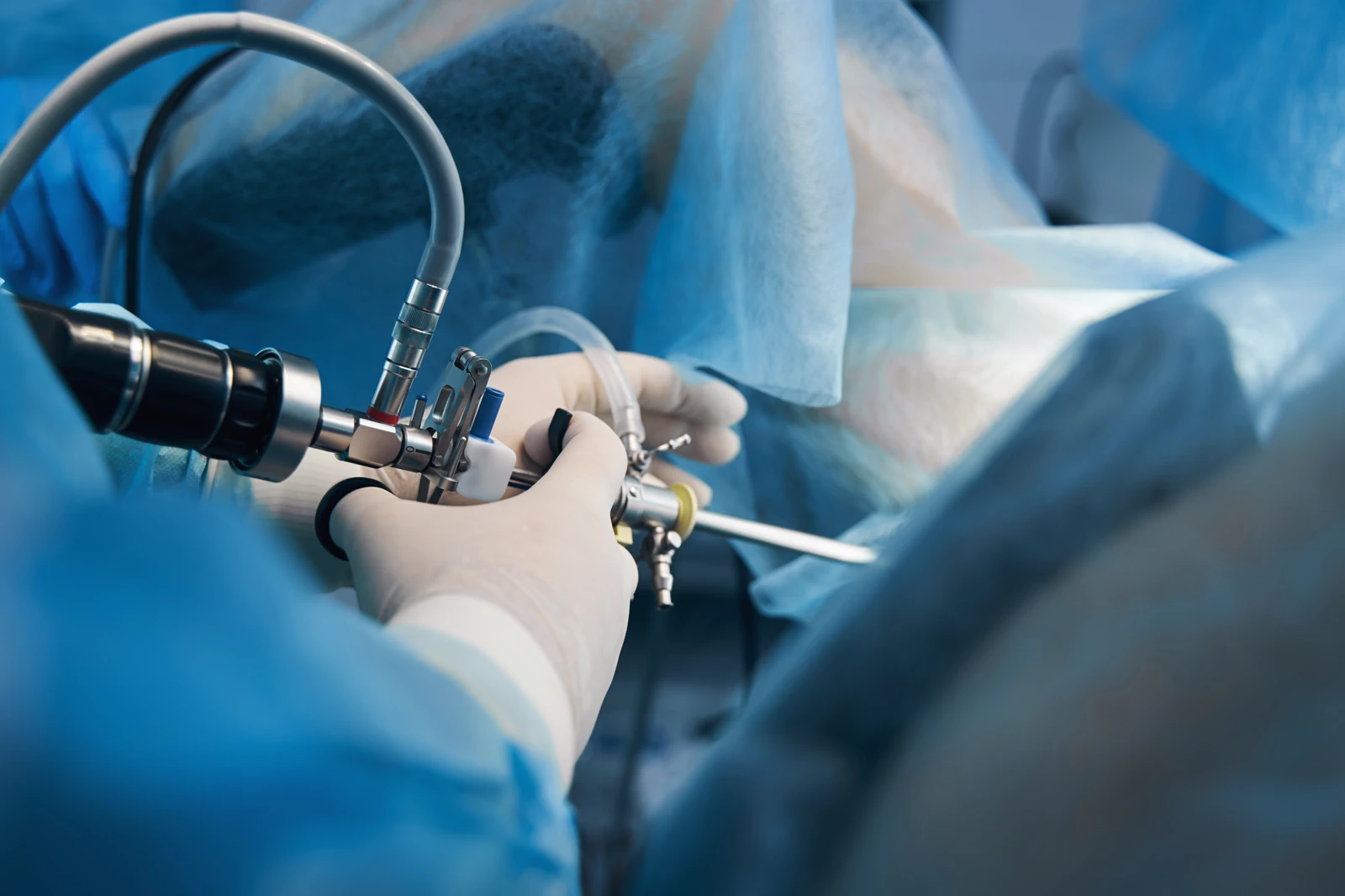
Hysteroscopy uses a slender telescope called a hysteroscope, passed through the vagina and cervix into the uterine cavity. Saline or another clear fluid distends the cavity so the lining can be seen on a monitor. It can be diagnostic, to investigate abnormal bleeding, infertility, repeated miscarriage, or an ultrasound finding, or operative, when instruments through the scope remove polyps, small fibroids, adhesions, or a retained device.
On a gynaecology quote the word distinguishes office look-only procedures from day-case surgery with anaesthesia. Diagnostic hysteroscopy may take 10 to 20 minutes; operative cases last longer and may combine dilatation of a tight cervix. Cramping during and after is common, and infection or uterine perforation are uncommon but documented risks.
Ask whether your plan is diagnostic or operative, what anaesthesia is offered, and whether tissue will be sent for histology. If you might be pregnant, say so before scheduling because the cavity should not be instrumented in early pregnancy.

Frequently asked questions
Is hysteroscopy the same as a pelvic ultrasound?
Will I need general anaesthesia for hysteroscopy?
How long is recovery after hysteroscopy?
Where this term comes up
-
Endometrial Polyp Removal
Endometrial polyp removal is the hysteroscopic removal of uterine polyps that can cause abnormal bleeding or affect fertility. The decision follows symptoms and tests.
Further reading




