









Glossary
Diagnostic hysteroscopy
Diagnostic hysteroscopy uses a slender camera passed through the cervix to inspect the uterine lining for polyps, fibroids, adhesions or bleeding causes before planning further treatment.
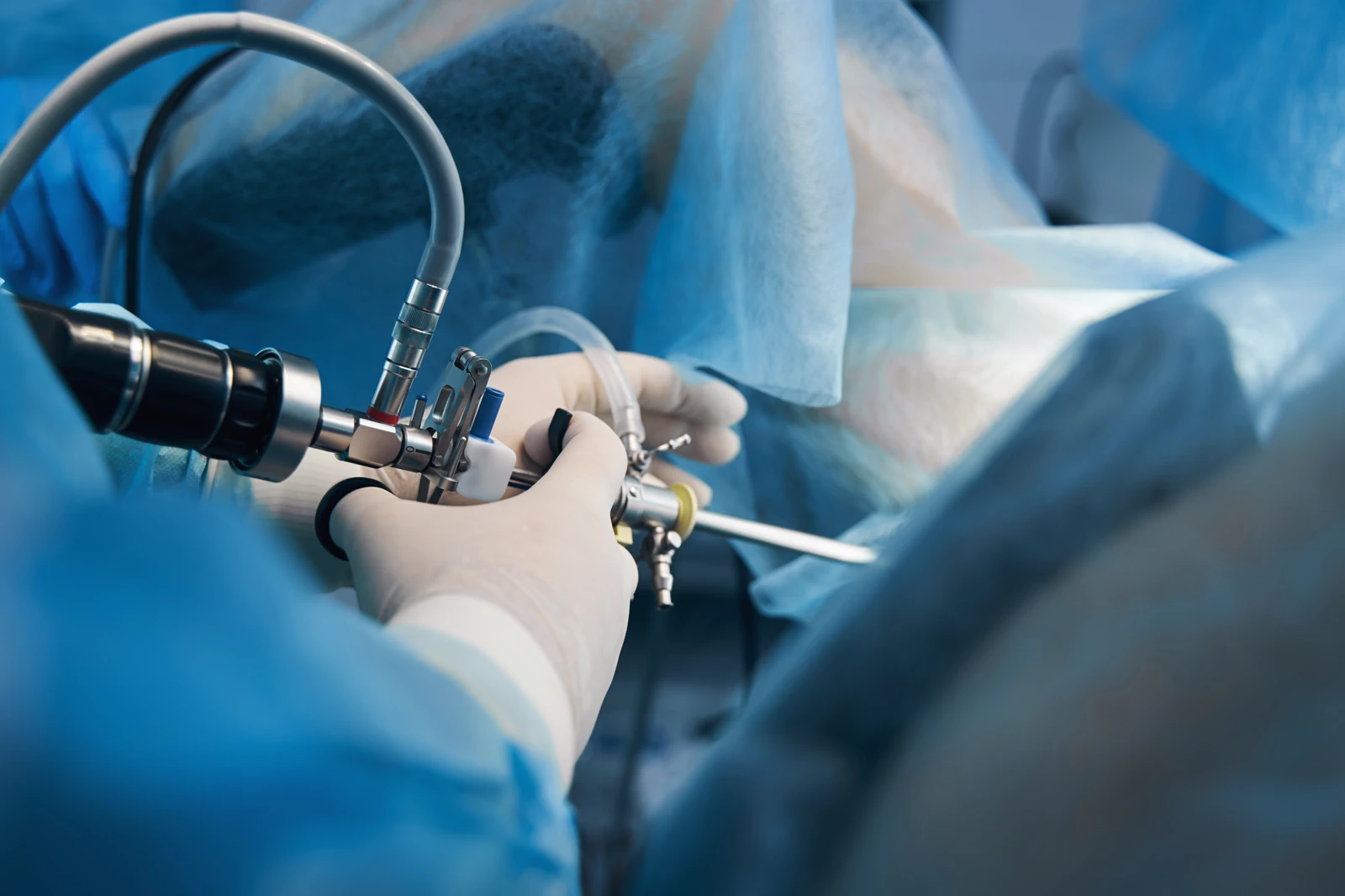
Diagnostic hysteroscopy means introducing a fibre-optic telescope with irrigation fluid so the clinician directly sees the endometrium and tubal ostia. It differs from operative hysteroscopy, where instruments remove lesions in the same sitting. Many units perform the diagnostic pass in an office with local comfort measures, while complex cases still head to an operating room.
International patients encounter the term on workup sheets for heavy periods, postmenopausal bleeding or failed implantation during fertility care. Biopsy forceps may pass through a working channel even when the session stays observational. Documentation with photos helps another surgeon understand what was seen if you change cities mid-journey.
Ask whether distension medium, pain protocol and antibiotic policy match your allergies. Double-check timing within the menstrual cycle because acute inflammation sometimes prompts postponement. If biopsies go to pathology, clarify how results arrive and whether a telehealth review is included.

Frequently asked questions
Is diagnostic hysteroscopy always painful?
Does this procedure treat fibroids during the same visit?
Can I fly shortly after a diagnostic hysteroscopy?
Further reading




