









Glossary
Freckles
Freckles are small flat tan or brown spots on sun-exposed skin where melanin collects in clusters and often darkens after ultraviolet light.
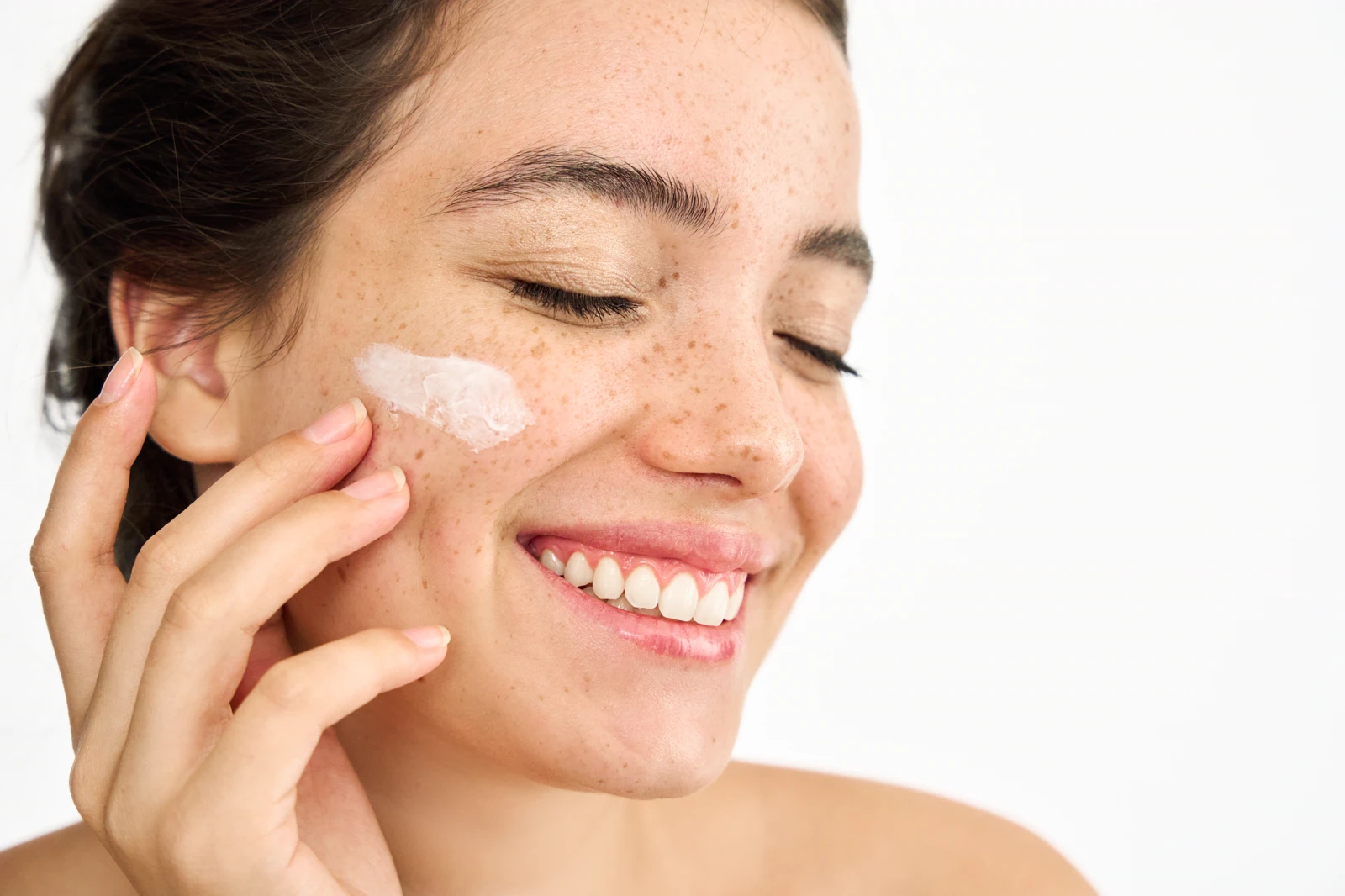
Freckles, medically called ephelides, are tiny macules usually under 3 mm across that sit on the surface of fair or light skin. They reflect active melanocytes producing extra pigment after sun exposure rather than a raised mole. They commonly appear on the nose, cheeks, shoulders, and arms, and may fade in winter when ultraviolet exposure drops.
In aesthetic medicine they appear when you discuss laser toning, chemical peels, or pigment lasers for a mottled complexion. Clinicians distinguish them from solar lentigines, which tend to persist year-round and increase with age. Treatment plans depend on phototype, because aggressive peeling on very fair skin differs from cautious settings on olive tones.
If your quote targets freckles, ask whether the goal is lightening, blending, or removal, and how many sessions are planned. Daily broad-spectrum sunscreen remains central because new freckles can form when unprotected skin sees sun again.

Frequently asked questions
Are freckles the same as age spots?
Can laser remove freckles permanently?
Should freckles be treated before a sunny holiday?
Further reading




