









Glossary
Melanin
Melanin is a pigment melanocytes produce that colors skin and hair and partially filters ultraviolet light as granules disperse among keratinocytes in the epidermis.
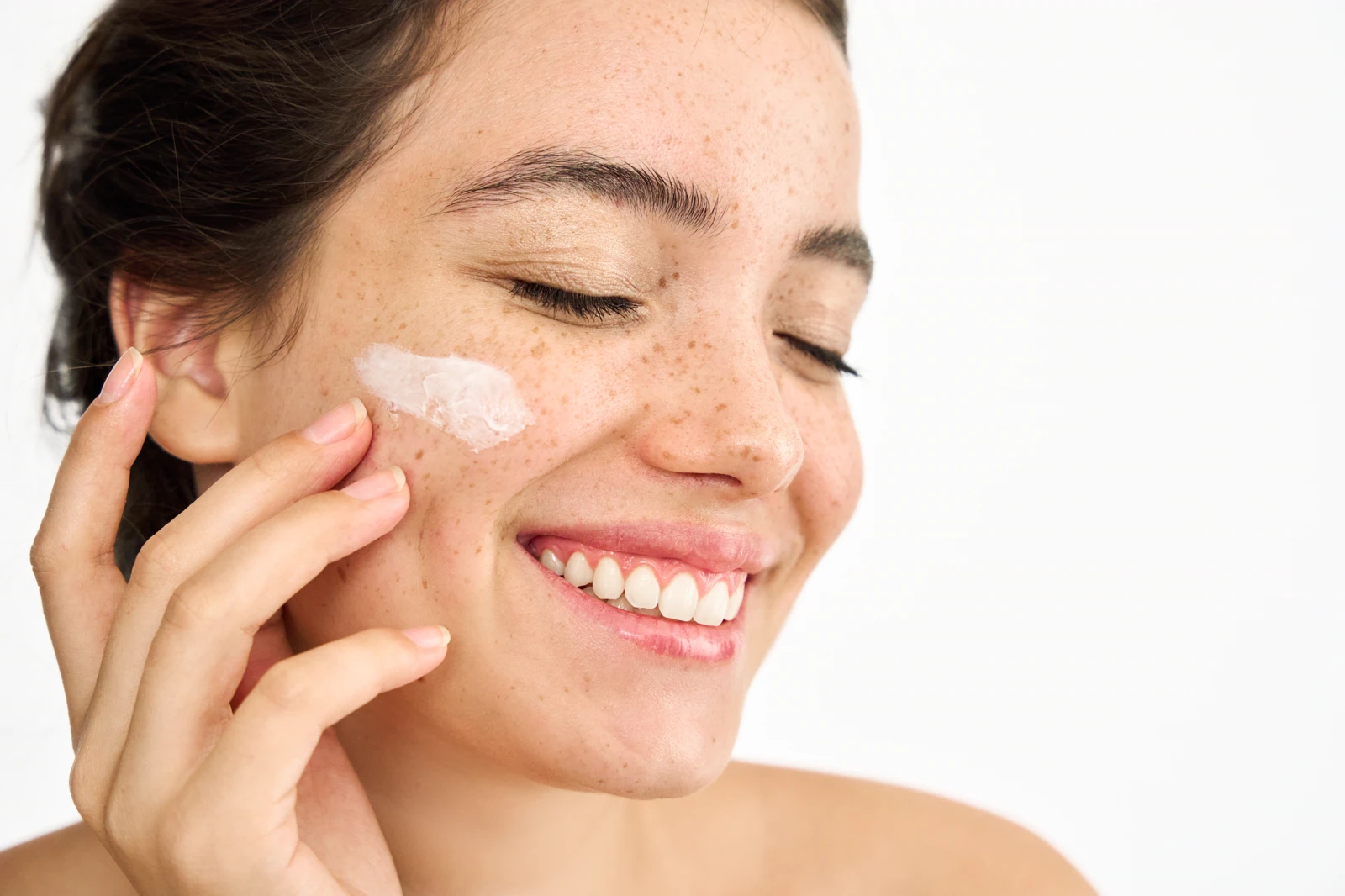
Melanin is a family of dark biological pigments synthesized by melanocytes and transferred into surrounding keratinocytes, where it contributes to visible skin tone, freckling, and hair color. Two major forms, eumelanin and pheomelanin, differ in chemistry and in how strongly they attenuate ultraviolet light. Pigment production rises after sun exposure through tanning pathways, while baseline levels tie to genetics and skin phototype.
In aesthetic clinic paperwork, melanin appears when discussing pigmentation disorders, laser settings, chemical peels, or hair transplant contrast. Treatments that target pigment—such as lasers, lightening protocols, or sun protection plans—reference melanin because it determines both therapeutic effect and adverse pigment shifts. Fitzpatrick classification estimates melanin-driven injury risk rather than beauty alone.
Ask how a proposed laser wavelength and pulse format selectivity spares or spares melanin-rich skin, and whether preconditioning with sunscreen or tyrosinase modulators is advised. Review before-after sets with your phototype to judge realistic evening of tone. Understand that melanin interacts with inflammation, so resolving breakouts before pigment-focused sessions often protects long-term color stability.

Frequently asked questions
Does more melanin mean I cannot have laser hair removal?
Can melanin levels change after a chemical peel?
Is melanin only a cosmetic concern?
Further reading




