









Glossary
Cervical stenosis
Cervical stenosis is a narrowing of the cervical canal or its opening that can block menstrual blood and the passage of instruments.
Cervical stenosis is a narrowing of the cervical canal, the passage through the cervix that connects the vagina with the uterine cavity. The narrowing may sit at the external opening, at the internal opening or along the whole canal. It can be present from birth, but it more often follows a cone biopsy, a loop excision, cauterisation, repeated dilatation, radiotherapy or the tissue thinning of menopause.
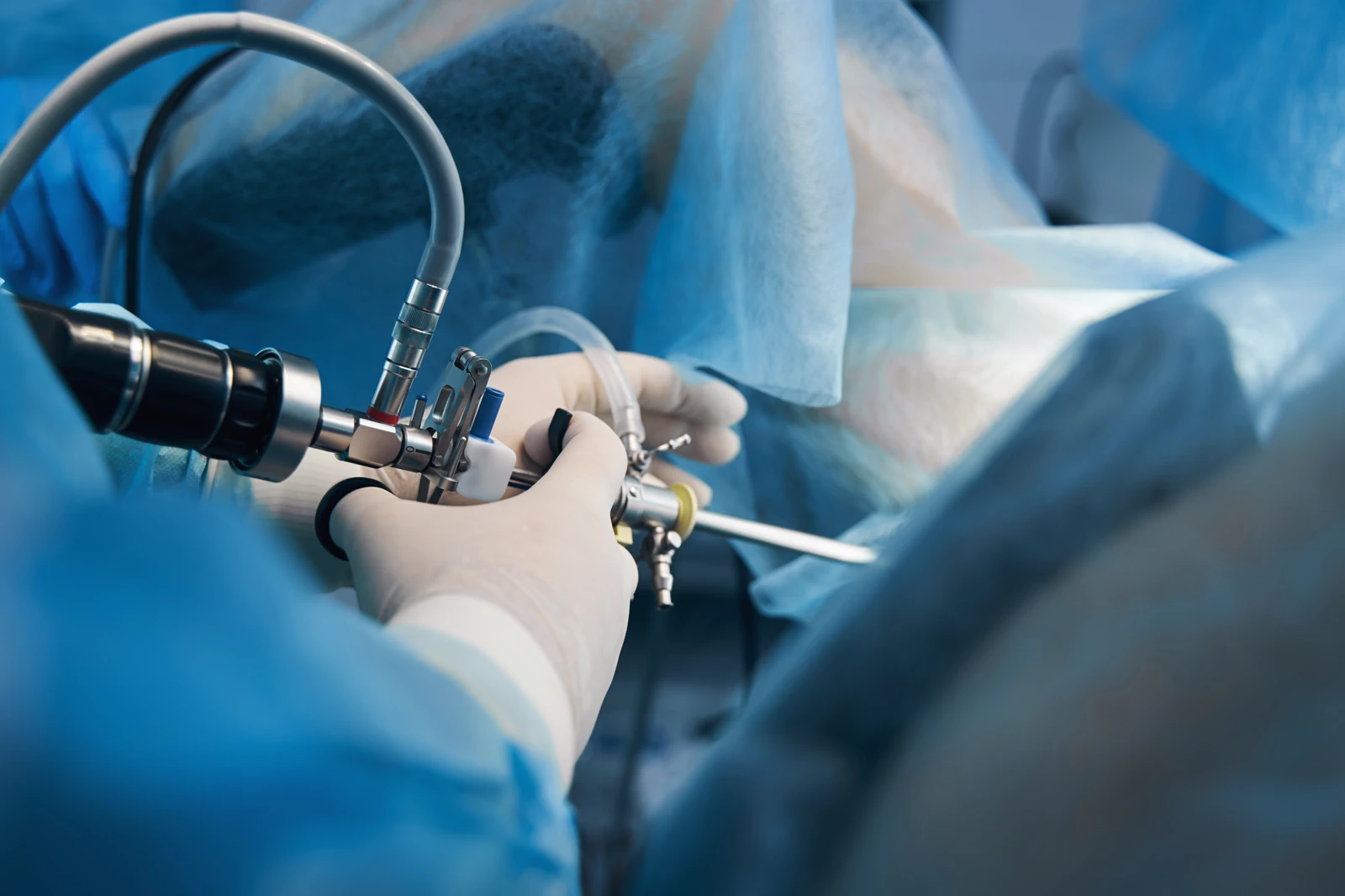
It comes up in gynaecology for practical reasons. Women with stenosis may notice very light or absent periods, pain before bleeding because blood is retained, or difficulty with cervical smears and intrauterine devices. In hysteroscopy the narrowed canal can stop the camera entering the uterus, so the surgeon may need to dilate it gently first, which carries a small risk of creating a false passage or perforation.
If stenosis is suspected before a procedure, ask whether the canal will be dilated, whether vaginal oestrogen beforehand is advised after menopause, and whether ultrasound guidance will be used. Mention any earlier cervical surgery, because it is the most common explanation.

Frequently asked questions
Does a cone biopsy always lead to cervical stenosis?
Can cervical stenosis cause period pain or missed periods?
Does hysteroscopy still work if the cervix is stenotic?
Further reading




