









Glossary
Azelaic acid
Azelaic acid is a topical dicarboxylic acid used on the skin to reduce inflammatory acne lesions and uneven pigmentation such as post-inflammatory marks.
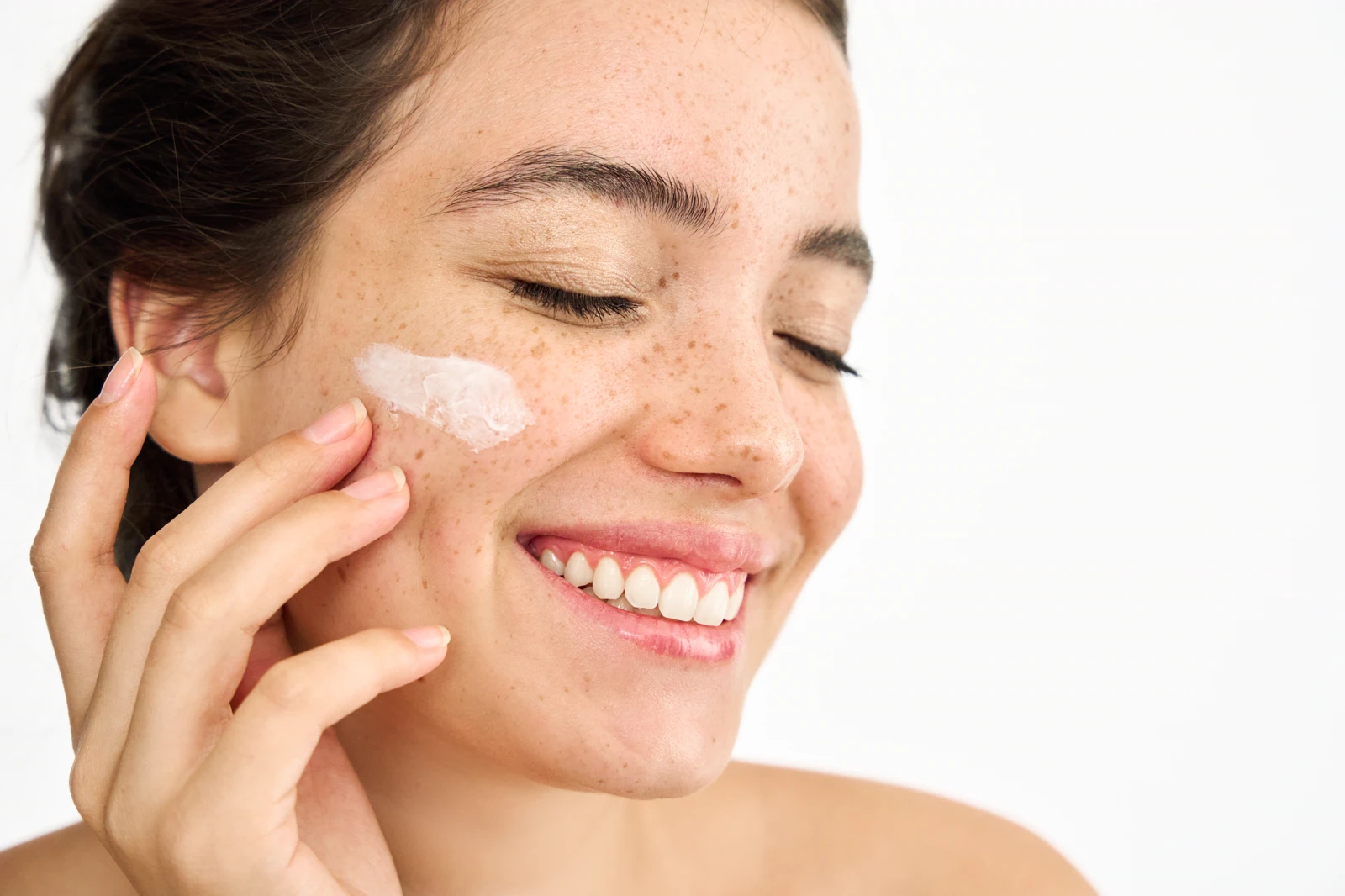
Azelaic acid is a naturally occurring dicarboxylic acid applied to the skin in creams or gels, commonly at 15% or 20% strength. It slows keratinocyte turnover in pores, has antibacterial activity against Cutibacterium acnes, and can lighten excess melanin in superficial layers. It is not a retinoid and does not work through the same receptors as tretinoin.
On a medical aesthetics plan it often appears for persistent papules and pustules, rosacea-related bumps, or brown marks after acne. Clinicians may pair it with sunscreen because treated skin can sting briefly and sun exposure worsens pigmentation. Improvement usually builds over eight to twelve weeks rather than within days.
Common side effects include mild burning, dryness and peeling, especially when layered with other actives. Ask whether your formulation is gel or cream, how often to apply it around the eyes, and whether retinoids or peels are paused during the first weeks.

Frequently asked questions
Can azelaic acid be used together with retinoids?
How long before azelaic acid helps acne marks?
Is azelaic acid safe during pregnancy?
Further reading




