









Glossary
Asherman syndrome
Asherman syndrome is a condition where scar tissue bridges the uterine cavity after procedures such as curettage, often leading to light periods or difficulty conceiving.
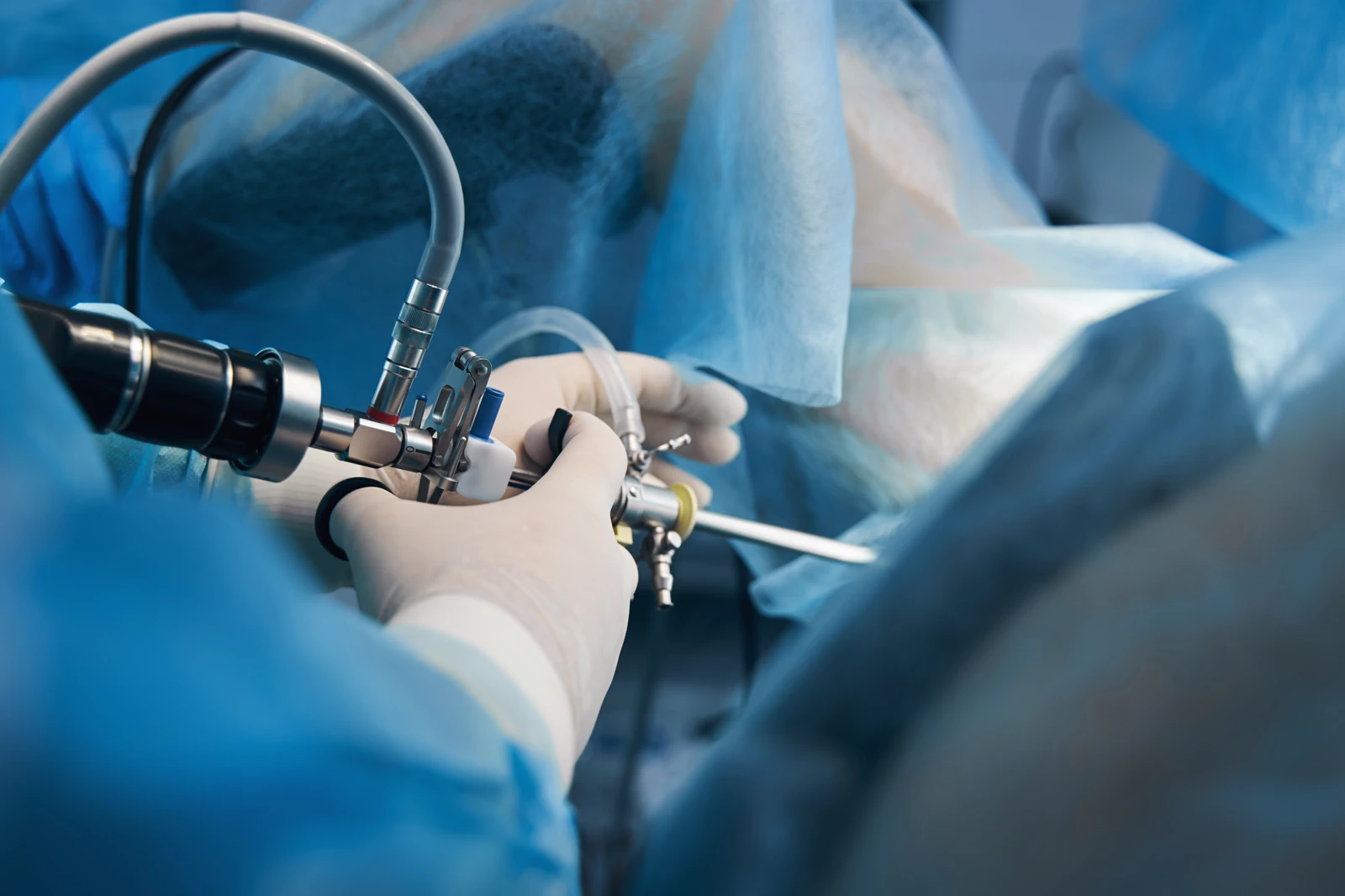
Asherman syndrome describes adhesions between the front and back walls of the uterus that partially or fully obliterate the cavity. They usually follow aggressive scraping, infection after pregnancy loss or repeated instrumentation, though not every D and C leads to scarring.
On gynaecology quotes the term surfaces when hysteroscopy is planned to cut dense bands under camera view rather than blind dilation. Severity scores guide whether simple scissors suffice or staged hormone-supported reopening is safer. Patients notice prolonged hypomenorrhoea, recurrent miscarriage or implantation failure before imaging proves the diagnosis.
Ask whether office ultrasound already suggested a thin endometrial stripe or whether saline infusion mapping is scheduled. Discuss antibiotic coverage, oestrogen priming and contraception between stages. Request clarity about fetal viability counselling if pregnancy occurs before healing finishes.

Frequently asked questions
Does mild Asherman always require hysteroscopic surgery?
Can Asherman come back after successful hysteroscopy?
Is pregnancy safe immediately after adhesiolysis?
Further reading




