









Glossary
Anal sphincter
The anal sphincter is the pair of muscle rings around the anal canal that hold in stool and gas until you pass them.
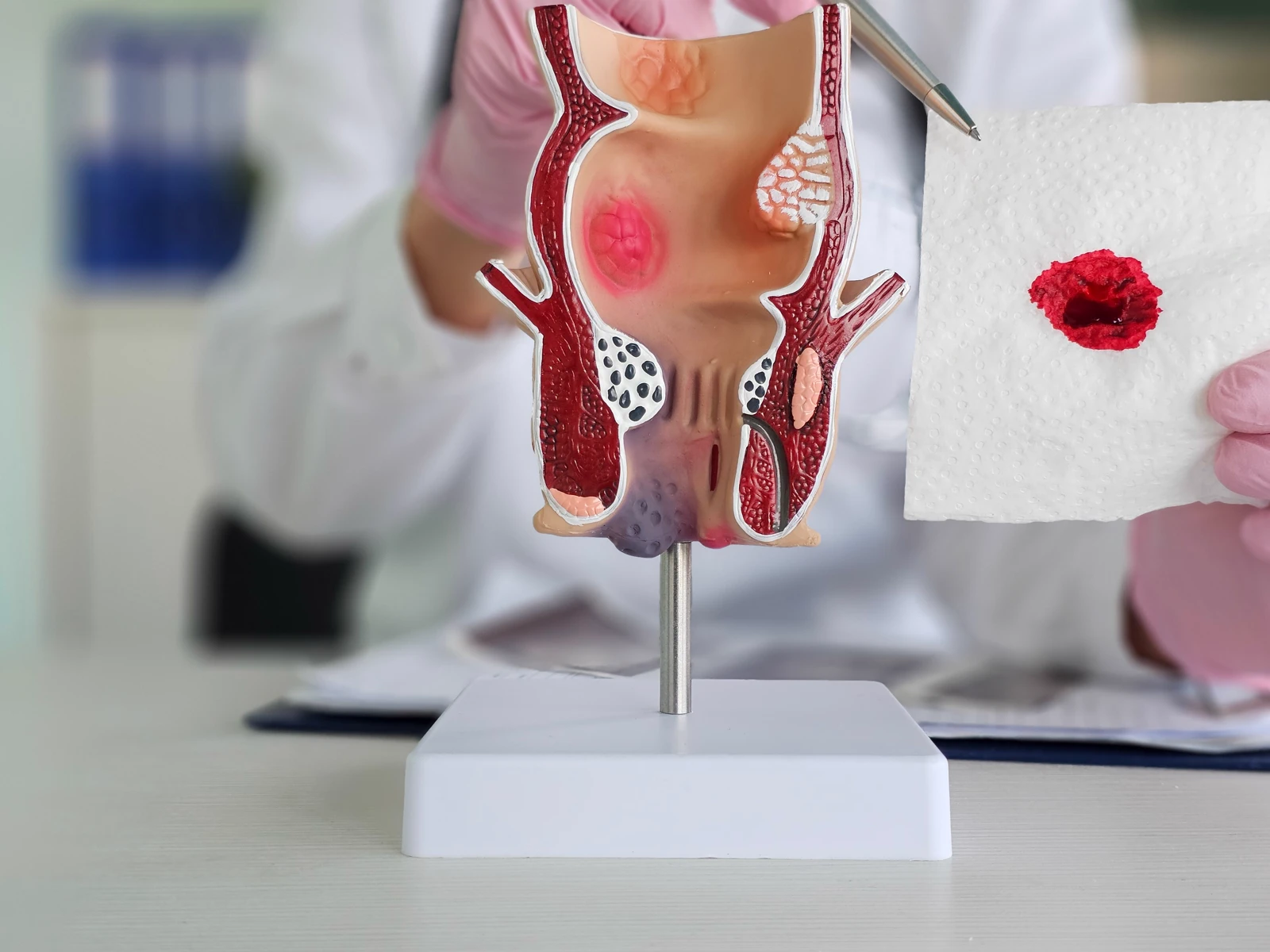
The anal sphincter is made up of two concentric muscle rings around the anal canal. The internal sphincter is smooth muscle that works automatically and provides most of the resting tone, while the external sphincter is striated muscle that you can squeeze voluntarily, for example to hold on when you need a toilet. Together with the puborectalis muscle and the sensation of the lining, they maintain continence.
Surgeons talk about the sphincter in almost every anal operation because the aim is to treat disease without weakening it. Cutting a fistula tract across the sphincter, a sphincterotomy for a fissure, or a haemorrhoid operation each carry a different, usually small, risk of leakage. Childbirth tears, previous anal surgery and radiotherapy are the usual reasons for a weakened muscle. Tests such as anorectal manometry, endoanal ultrasound and MRI show how strong the ring is and whether it is torn.
If your quote or consent form lists sphincter division or repair, ask how much muscle is involved, and whether any change in control for gas or loose stool is a realistic risk in your case.

Frequently asked questions
What is the difference between the internal and external anal sphincter?
Can the anal sphincter be damaged during childbirth?
Does anal surgery always risk the sphincter?
Further reading




