









Glossary
Adhesiolysis
Adhesiolysis is the surgical cutting or freeing of adhesions, the bands of scar tissue that bind pelvic or abdominal organs to each other.
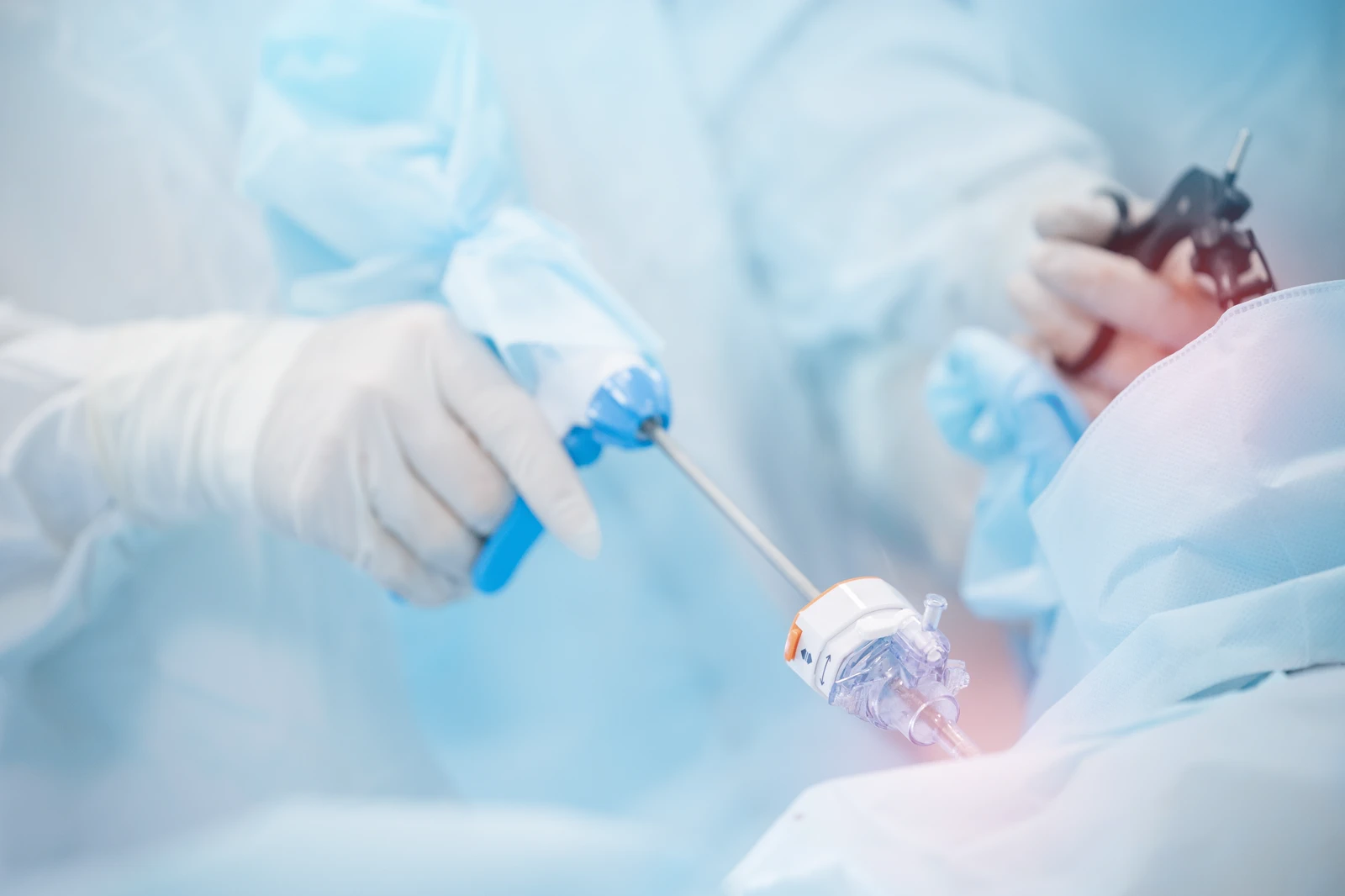
Adhesiolysis is the surgical division of adhesions, the fibrous bands that form between organs or between an organ and the abdominal wall after earlier surgery, infection or endometriosis. In gynaecology it is nearly always done laparoscopically: the surgeon lifts each band with a grasper and divides it with scissors, an electrosurgical hook or an ultrasonic device, keeping the bowel, ureter and bladder in view. Filmy adhesions take seconds; dense vascular ones around the bowel can add an hour to an operation.
You will see the word as a separate line on a quote for ovarian cyst removal, endometriosis surgery or a diagnostic laparoscopy, because its extent cannot be known until the camera is inside. It is proposed for chronic pelvic pain, for infertility when the tubes or ovaries are trapped, and when adhesions have caused bowel obstruction.
Two facts shape expectations. Adhesions re-form after being divided in a large share of patients, and barrier gels or films reduce but do not eliminate this. And the link between adhesions and pain is inconsistent, so ask what proportion of patients with your pattern of findings actually report less pain afterwards, and whether a bowel injury during release would mean a larger operation.

Frequently asked questions
Why is adhesiolysis listed separately on my laparoscopy quote?
Will adhesiolysis cure my pelvic pain?
Further reading




