









Glossary
Laparoscopy
Laparoscopy is camera-guided surgery through small belly incisions that lets clinicians inspect pelvic organs or perform gynaecologic operations with less tissue disruption than open surgery.
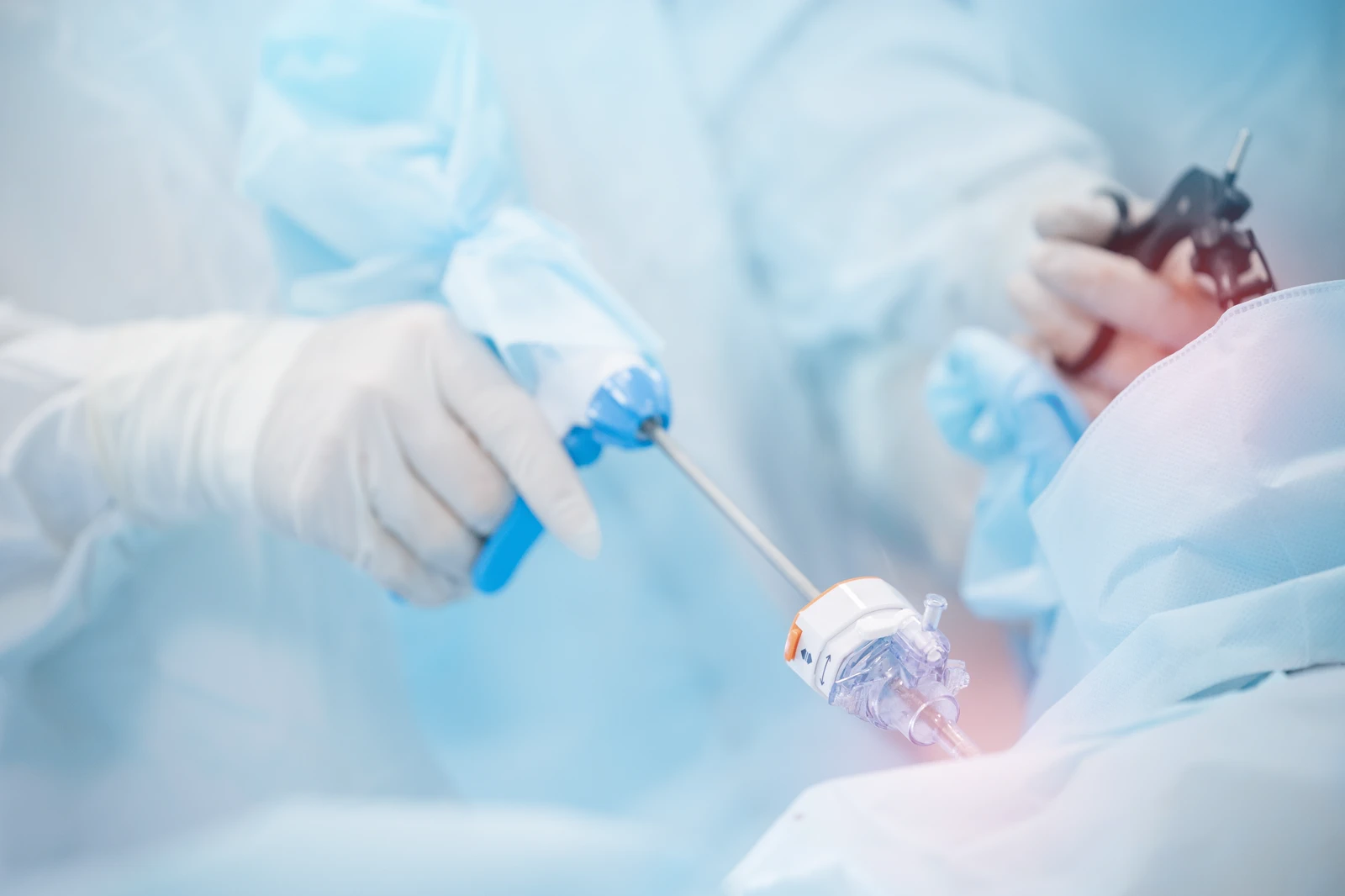
Laparoscopy uses a narrow telescope and long instruments inserted through several half-centimetre cuts after the abdomen is gently inflated with carbon dioxide. The camera projects the pelvic cavity onto monitors so surgeons can locate cysts, endometriosis, adhesions, or fallopian tube problems without a large wound. The same approach supports operative steps such as cyst removal, salpingectomy, or limited hysterectomy when indicated.
On a gynaecology quotation the word signals day-case or short-stay admission, general or spinal anaesthesia depending on complexity, and equipment fees for energy devices or retrieval bags. Compared with laparotomy, recovery time and scar length often decrease, yet every procedure still carries standard risks like bleeding, infection, organ injury, or conversion to open surgery if visibility is poor.
Ask how many ports will be used, whether bowel preparation is requested, and what activity limits apply after discharge. Clarify if fertility-sparing tissue will remain and how soon follow-up ultrasound or histology results will be discussed.

Frequently asked questions
Is laparoscopy only for looking inside the abdomen?
Will I wake up with several small scars?
Can laparoscopy turn into open surgery unexpectedly?
Where this term comes up
-
Endometriosis Surgery
Endometriosis surgery uses laparoscopy to remove endometriosis tissue in order to reduce pain and support fertility. A cure, or a pregnancy afterwards, is not assumed.
Further reading




