









Glossary
Vagina
The vagina is a flexible muscular tube lined with mucosa that connects the vulva to the cervix and allows menstruation, intercourse and childbirth.
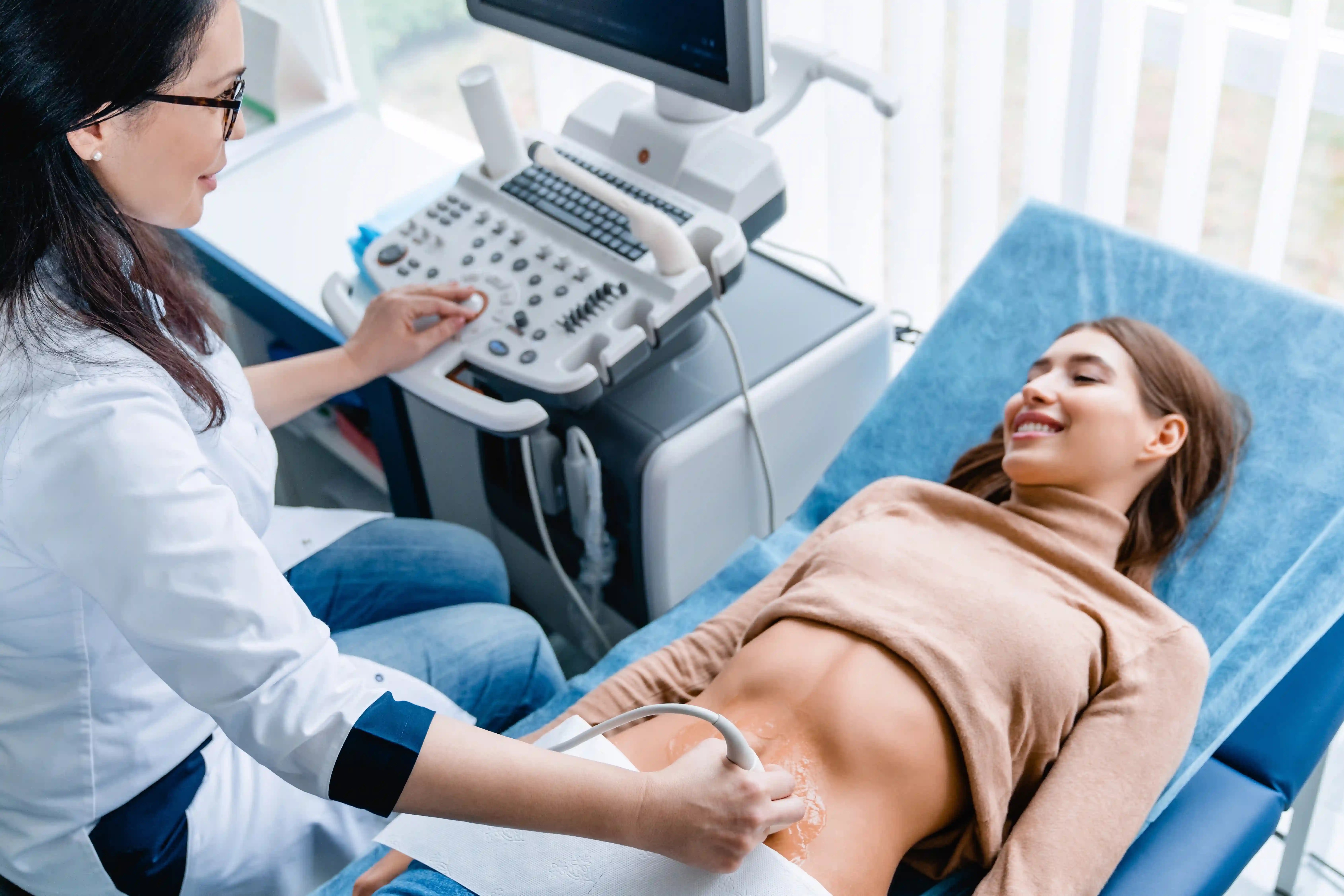
The vagina is a fibromuscular canal lined with stratified squamous epithelium that runs from the vaginal opening at the vulva up toward the cervix of the uterus. Its length and angulation vary with age, hormones and prior childbirth, and it contains elastic connective tissue that lets it expand during activity and then recoil.
In gynaecology notes and consent forms the word appears when discussing examinations, infections, bleeding, prolapse or surgery near the pelvic floor. It is distinct from the vulva externally and from the cervix internally, although symptoms can overlap when discharge or pain is poorly localised. Imaging and bedside tests often name landmarks like the anterior and posterior vaginal wall.
If your paperwork highlights the vagina, clarify whether findings refer to the lining, the muscular coat, or neighbouring support ligaments. Ask how a proposed procedure might affect lubrication, comfort, scarring risk, and recovery timelines. Bring up contraception, breastfeeding, or hormone therapy because these can change tissue sensitivity after treatment.

Frequently asked questions
Is the vagina the same structure people call the vulva?
Why would a doctor measure vaginal length before certain procedures?
Can the vagina change shape permanently after childbirth?




