









Glossary
Sun protection factor
Sun protection factor is the label value that describes extra delay to UVB sunburn on sunscreen-covered skin versus bare skin in standard lab tests.
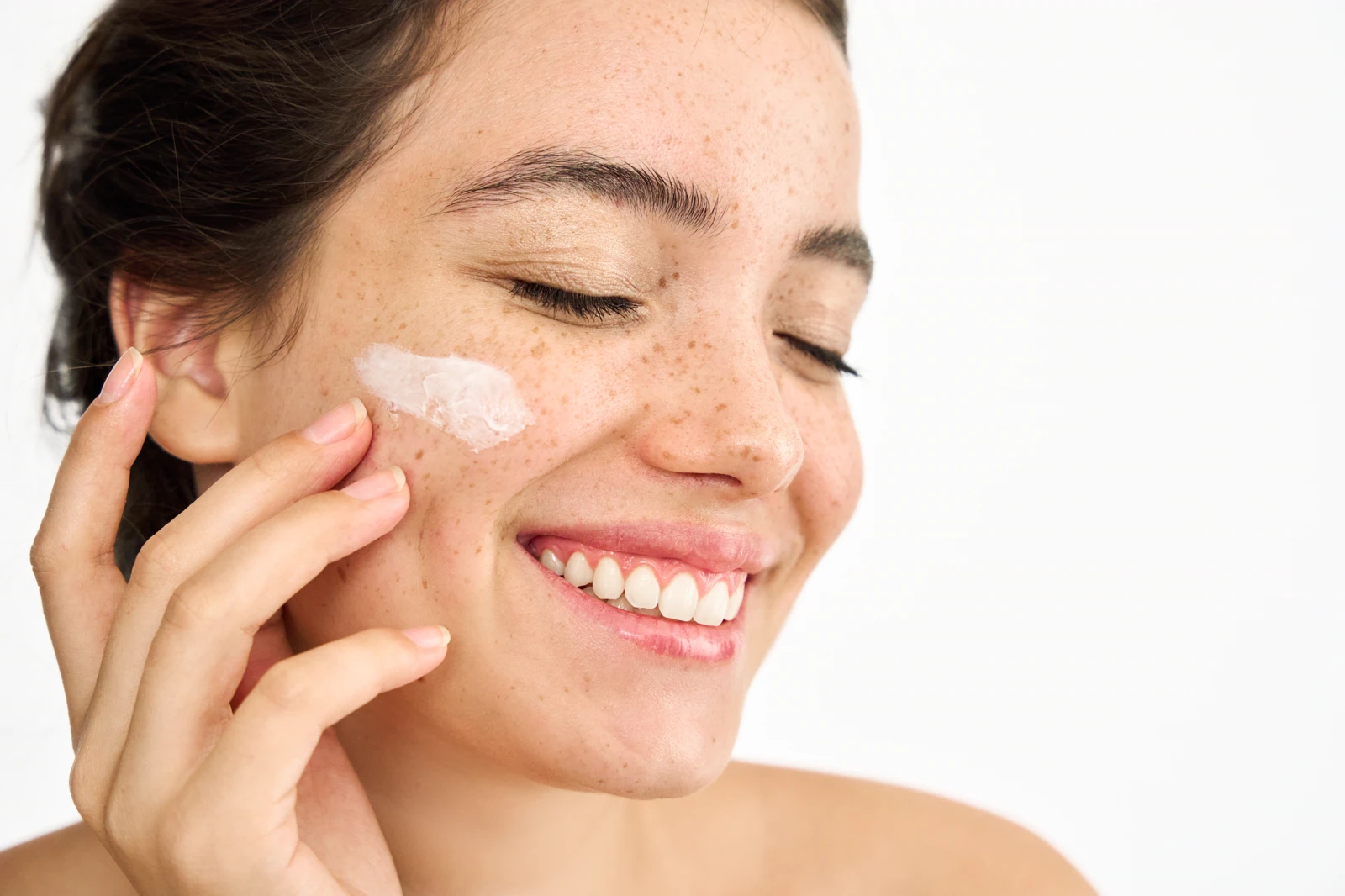
The sun protection factor is a controlled-laboratory measure of how much a product extends the time to develop sunburn from ultraviolet B compared with bare skin, assuming correct thickness and reapplication. It does not linearly map to total safety minutes outdoors because sweat, swimming, rubbing and uneven application reduce real-world protection. Patients therefore should treat the number as a relative filter strength, not as a countdown timer that stays valid after swimming or towelling.
The number becomes relevant in medical aesthetics when chemical peels, laser resurfacing or pigment protocols make skin photosensitive for days to weeks. Patients compare quotes for multiple procedures in one season, so understanding SPF guides sensible product choice alongside wide hats and shade breaks during peak irradiance.
Ask whether your plan references broad-spectrum coverage against UVA as well as the SPF number, and how often you should reapply after swimming. Pairing the reading with clothing labelled UPF often matters more than chasing the highest isolated figure on a small tube of product.

Frequently asked questions
Does doubling SPF from 30 to 60 let me stay outside twice as long?
Why do pigment specialists care about SPF if I already wear makeup?
Is waterproof sunscreen protection fixed after one swim?
Further reading




