









Glossary
Sleep study
A sleep study is an overnight recording of breathing effort, airflow, oxygen saturation, and sometimes brain waves used to grade snoring or suspected apnoea.
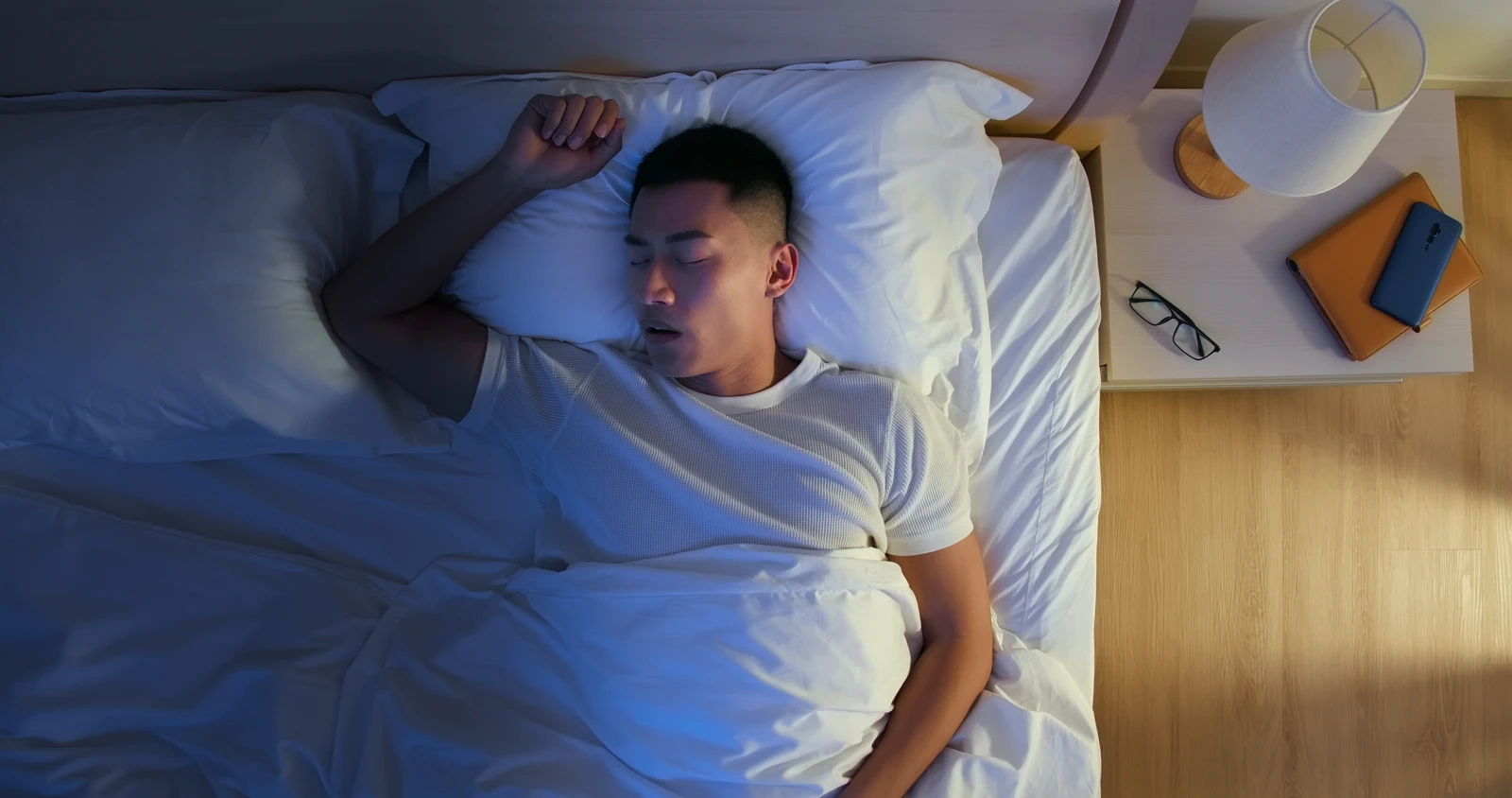
A sleep study is a supervised or home-based recording that correlates airflow, thoracic movement, oxygen saturation, and, in laboratory polysomnography, electroencephalography channels. It quantifies how often airflow drops, whether effort continues, and if oxygen dips cross clinically meaningful thresholds. Snoring alone is audible vibration, while apnoea-hypopnoea indices translate microphone noise into treatment decisions.
ENT quotes mention the test when chronic snoring raises questions about obstructive sleep apnoea before turbinate reduction, septoplasty, or hypoglossal stimulation candidacy. Insurance letters also reference it because some airway surgeries require documented severe sleep-disordered breathing. Patients flying in for nasal surgery may need to arrange testing locally first when wait lists differ between cities.
Ask which sensors the clinic prefers, whether split-night titration is possible, and how soon results return before scheduling operative dates. Bring a medication list and caffeine habits because both alter sleep architecture on the tracing.

Frequently asked questions
Can a simple overnight oxygen probe replace full polysomnography for snoring evaluation?
Will using my CPAP the week before the sleep study ruin the numbers?
Further reading




