









Glossary
Motorised FUE extraction
Motorised FUE extraction cores follicular units with a micromotor punch that spins faster than manual twists yet still demands careful depth and angle control on donor scalp.
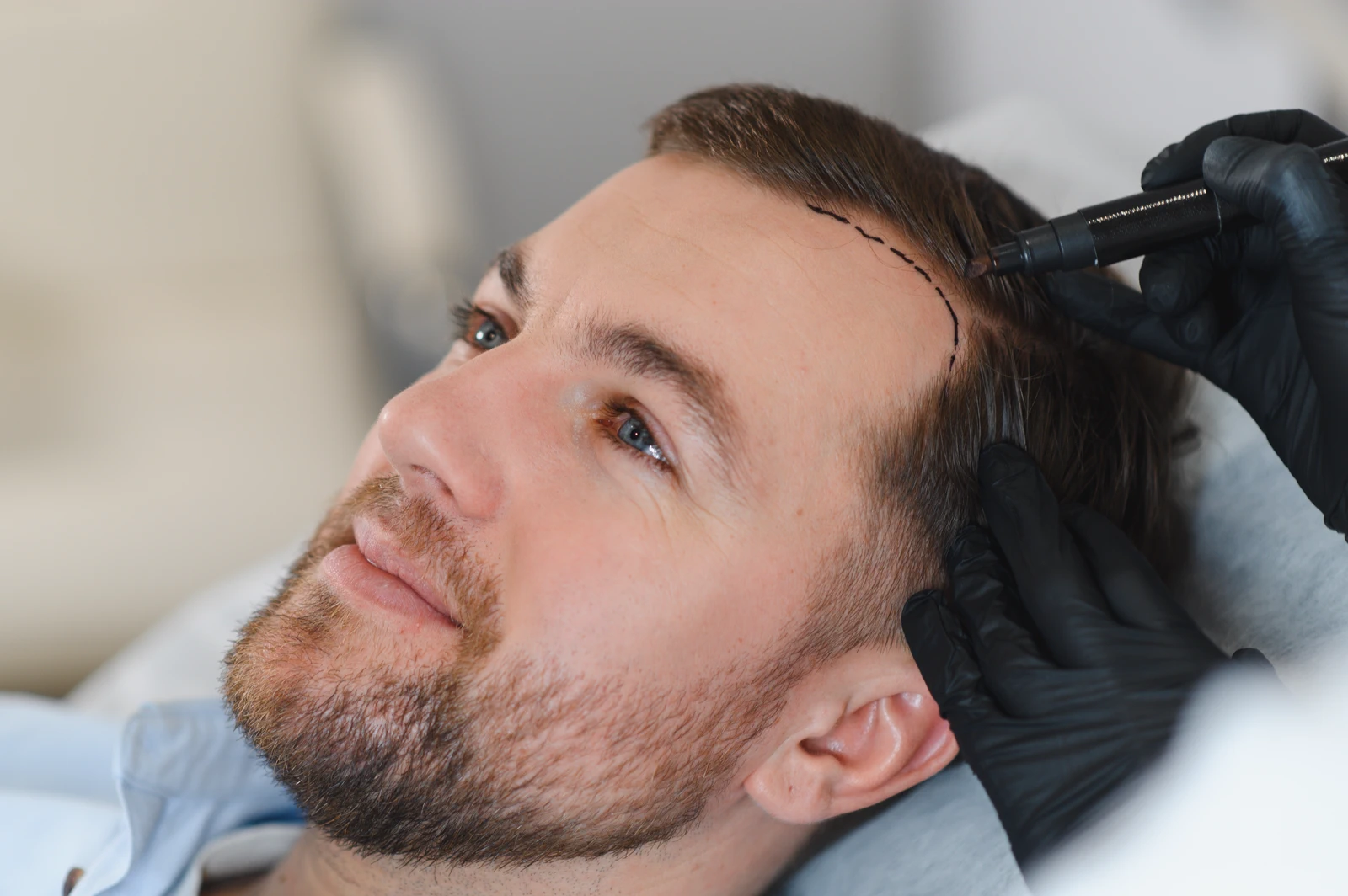
Motorised FUE pairs a cylindrical sharp or serrated punch with a low-torque handpiece that spins at calibrated revolutions per minute while the operator advances axially into donor skin. The spinning action cuts circumferential dermal and perifollicular tissue, freeing the follicular unit for gentle forceps removal while irrigation cools friction.
Clinic quotes list it beside manual FUE when teams aim to reduce operator fatigue across thousands of grafts yet keep transection risks comparable. Settings—punch outer diameter, depth stop, oscillation versus continuous rotation, and lubricant flow—must match hair caliber and scalp laxity. Poorly tuned motors can torque follicles or overheat skin compared with slow manual rotation.
Ask whether your plan specifies punch size range, RPM bracket, and protocols for switching off if grafts show chatter marks. Discuss how donor density maps influence passes because repeated ring cuts in tight spacing risks visible dotting. Compare transection audit numbers between motorized and manual phases if both appear on your informed consent.

Frequently asked questions
Is motorized FUE always faster than manual FUE?
Does motorized FUE leave worse dot scars?
Can motorized punches harvest body hair the same way?
Further reading




