









Glossary
Dyspareunia
Dyspareunia is persistent or recurrent pain with penetration or during sexual intercourse, and the location often suggests whether the cause is superficial or deep.
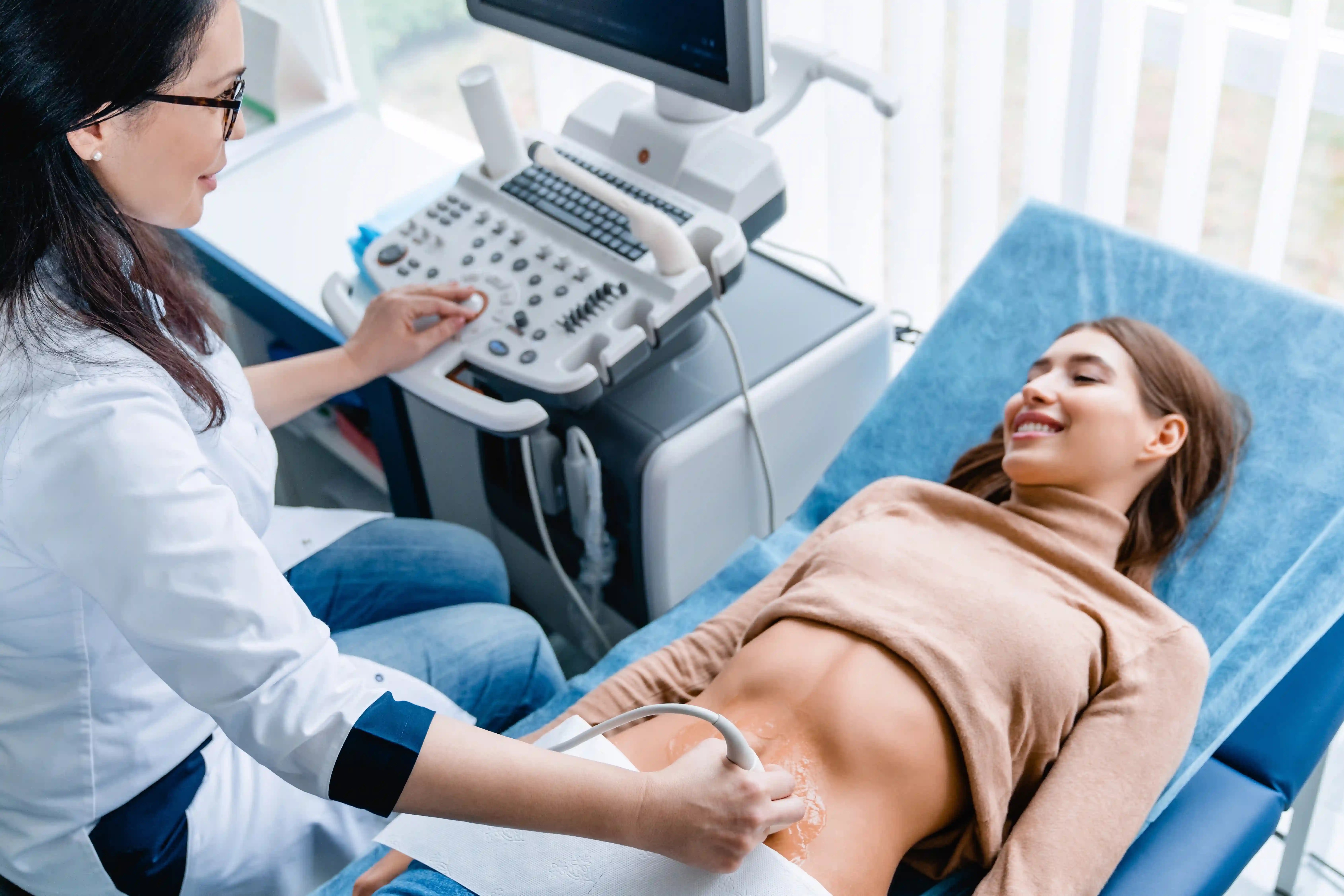
Dyspareunia means pain linked to sexual activity, most often with entry, thrusting, or for a short time afterwards. It can affect the vulva, vaginal opening, deeper pelvis, or a combination. Superficial pain at the entrance differs clinically from deep pain felt higher inside, and that distinction guides examination and imaging choices.
Gynaecology consultations and fertility work-ups may list dyspareunia among symptoms because endometriosis, adenomyosis, pelvic adhesions, or muscle spasm can all contribute. Hormonal dryness after childbirth, during breastfeeding, or around menopause is another frequent context. The symptom is not a diagnosis on its own; it signals that timing, triggers, and associated bleeding or cycle changes need to be mapped.
If your records mention dyspareunia, note whether lubricants help, whether pain is entry-only or deep, and whether it occurs outside intercourse. Ask how the clinic plans to evaluate the pelvis and whether a speculum exam, ultrasound, or referral is anticipated before any procedural quote.

Frequently asked questions
Can dyspareunia occur without any visible abnormality?
Is dyspareunia always linked to endometriosis?
Should intercourse be avoided until dyspareunia is investigated?




