









Glossary
Donor overharvesting
Donor overharvesting means removing more follicular grafts than the donor fringe can camouflage, leaving visible thinning, patchiness or widened scarring patterns.
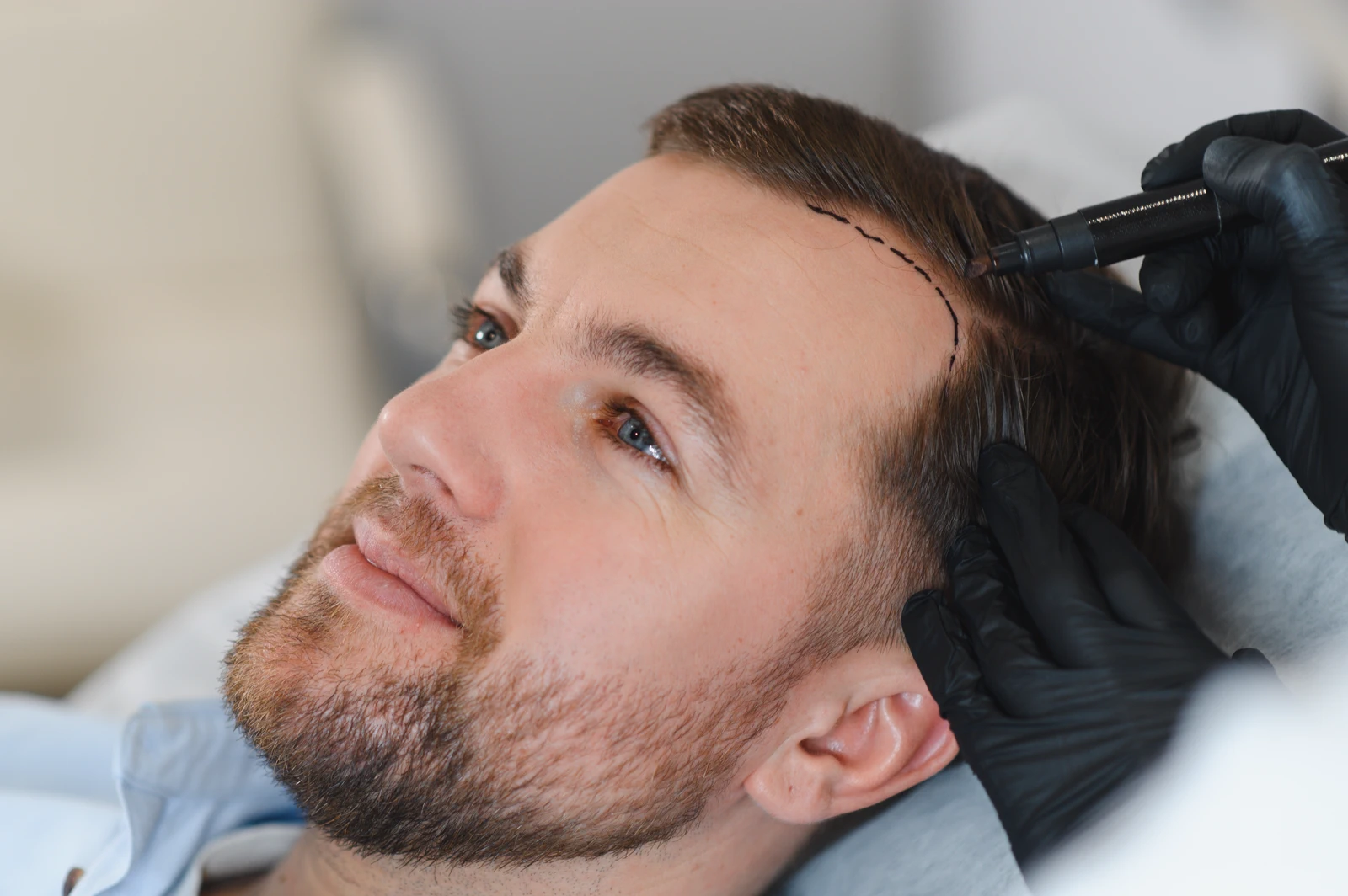
Donor overharvesting happens when the number or spacing of extracted follicular units outpaces what local scalp density can still hide after healing. The issue is not the mere size of a session but whether the remaining hair shafts per square centimetre fall below a cosmetically acceptable level. Tight tissue, low baseline density or multiple prior procedures make thin spots appear sooner.
Quotes and operative summaries may flag this concept when clinics warn about limits to mega-sessions or repeat harvesting. Patients notice the words during conversations about planned graft counts versus measured reserve. The risk rises if extraction rows crowd together or ignore transition zones at the lower edge of the donor hairline.
Ask how punch size, distance between sites and daily totals were chosen, and whether photographic mapping tracks prior extractions. If someone proposes a number that ignores documented density, request a written rationale tied to measurements rather than marketing benchmarks.

Frequently asked questions
Does donor overharvesting mean my surgeon was careless?
Can fat grafting fix donor overharvesting?
How is donor overharvesting different from normal shock loss?
Further reading




