









Glossary
Deep-plane facelift
A deep-plane facelift mobilises the cheek or midface soft tissues together with key deeper attachments so repositioning relies on sturdy internal lifting rather than skin tension alone.
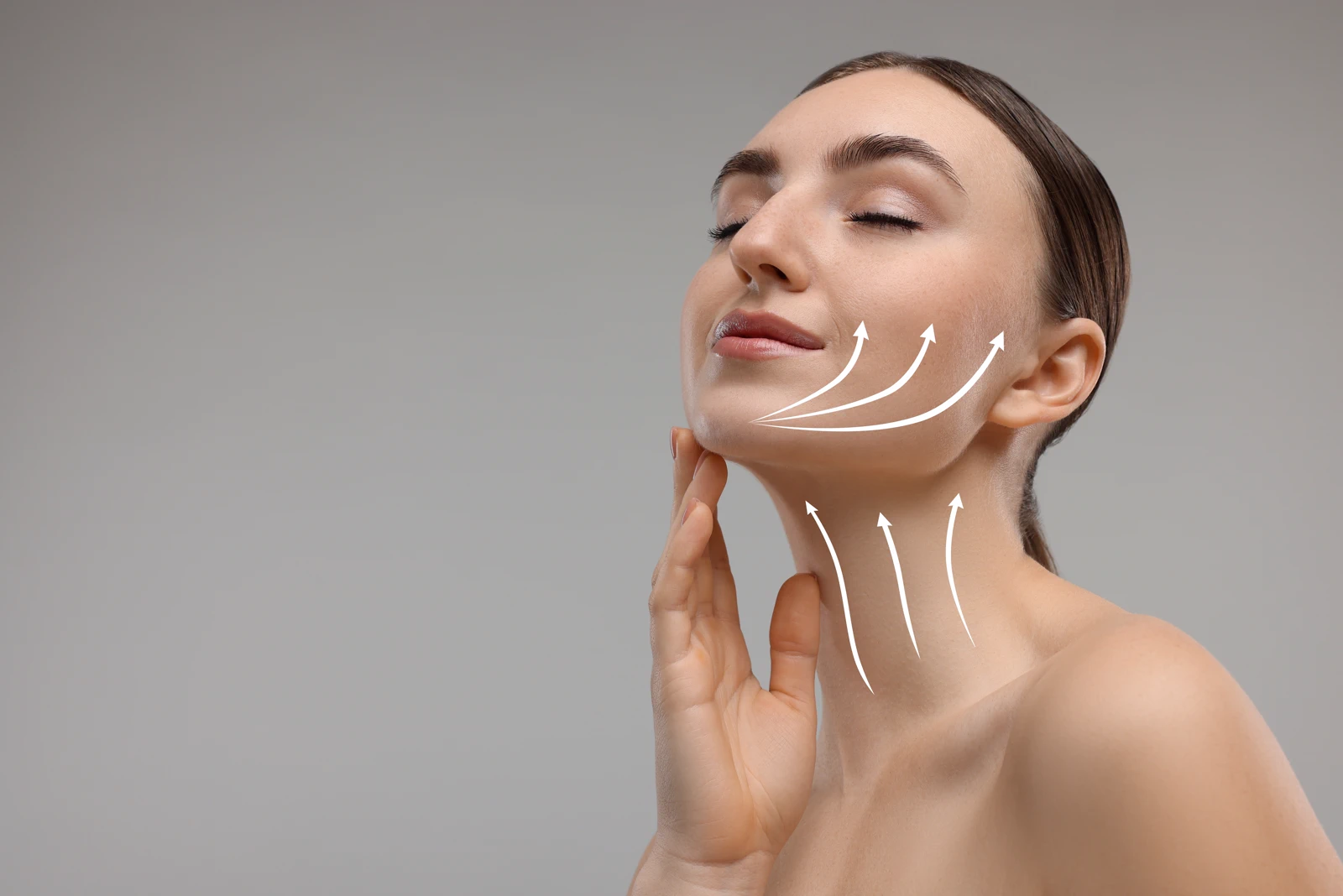
A deep-plane facelift is a rhytidectomy technique that lifts skin together with underlying fibromuscular layers after releasing selected retaining ligaments. Surgeons preserve much of the native blood supply while redirecting bulk where ptosis has hollowed the midface, and they often re-support the malar fat along vectors that look natural under animation.
In consultations the phrase signals more than trimming skin, with implications for swelling duration, nerve monitoring, and recovery milestones. Quotes may list adjunct procedures because deep-plane work redistributes volume rather than only excising extra skin; neck platysmaplasty or fat grafting may appear as separate line items.
Ask whether your plan includes platysma bands, how soon you may resume social schedules, and what photographs quantify goals. Discuss how cheek numbness usually resolves, what compression garment use is expected, and how many weeks pass before gym-level exercise returns.
Matching operative wording to anatomic targets avoids expecting the light recovery of a limited skin-only lift and clarifies which nerve branches your team will monitor during early healing.

Frequently asked questions
Is deep-plane facelift the same as tightening only the SMAS layer?
Why do deep-plane timelines sound longer on consent sheets?
Does deep-plane work remove more skin automatically?
Further reading




