









Glossary
Cherry angioma
A cherry angioma is a small, bright red, benign skin growth made of a tiny cluster of dilated capillaries.
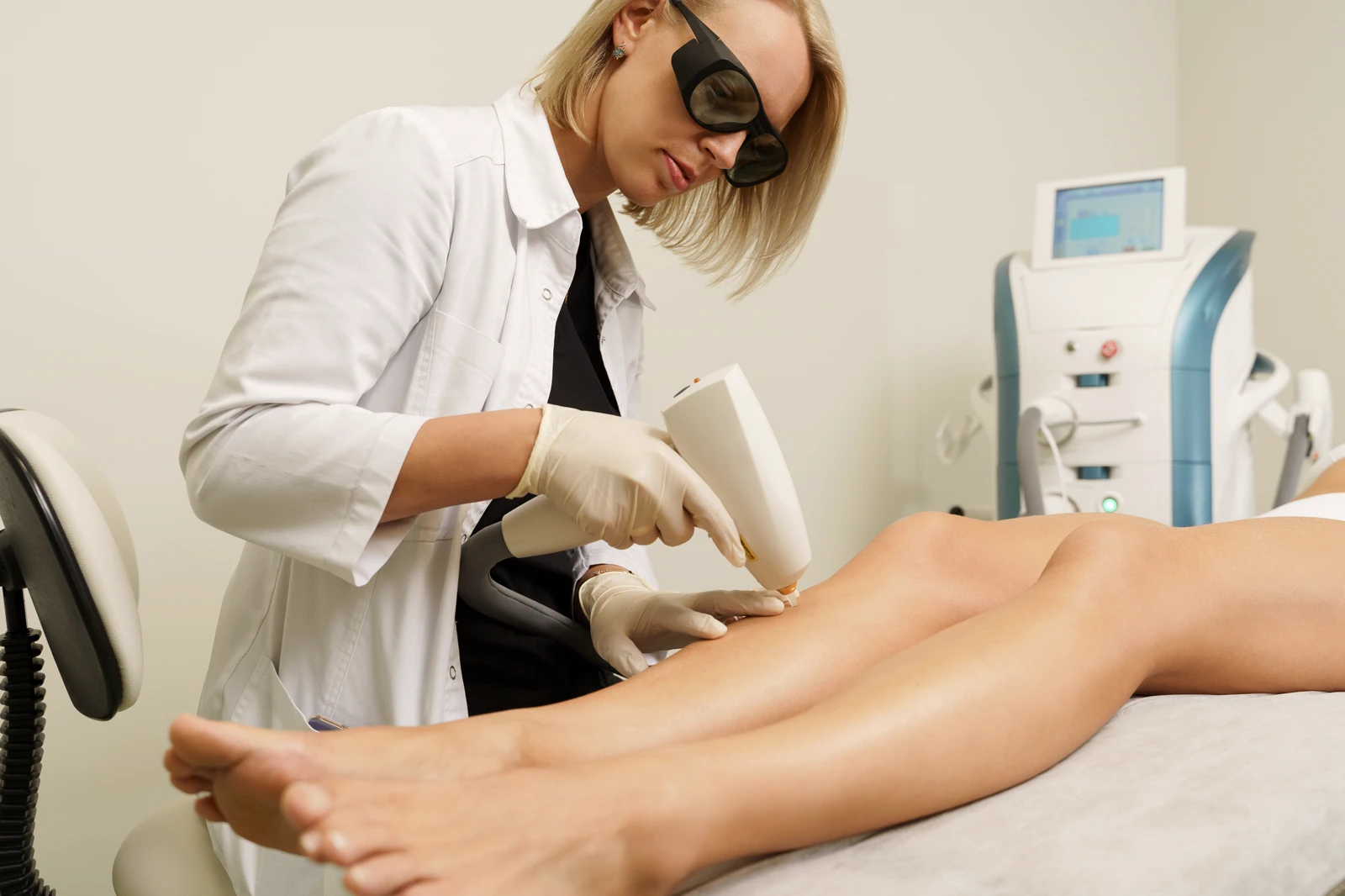
A cherry angioma is a small, round, bright red to purple papule, usually 1 to 5 mm across, formed by a tight cluster of dilated capillaries in the upper dermis. It is benign, painless and does not carry a risk of turning into cancer.
These spots usually appear on the trunk and upper arms from around the age of 30, and most adults have several by their sixties. The cause is not fully understood; age, genetics, pregnancy and some chemical exposures have been linked. It comes up in cosmetic consultations because patients want them removed, not because they need treatment. Vascular laser, electrocautery or shave removal are the usual options, and the lesion typically clears in one session.
A sudden shower of many angiomas, or a spot that changes in colour, bleeds repeatedly or looks irregular, should be examined, since other lesions such as amelanotic melanoma can look similar. Ask whether the lesion will be checked before treatment, and whether a sample will be sent for pathology if there is any doubt. Removal for appearance is usually not covered by insurance.

Frequently asked questions
Can a cherry angioma turn cancerous?
Will a cherry angioma come back after laser removal?
Why did I suddenly get many cherry angiomas?
Further reading




