









Glossary
Brazilian butt lift (BBL)
A Brazilian butt lift reshapes the buttocks by transferring the patient’s own purified fat, usually taken by liposuction from other areas, into the gluteal region.
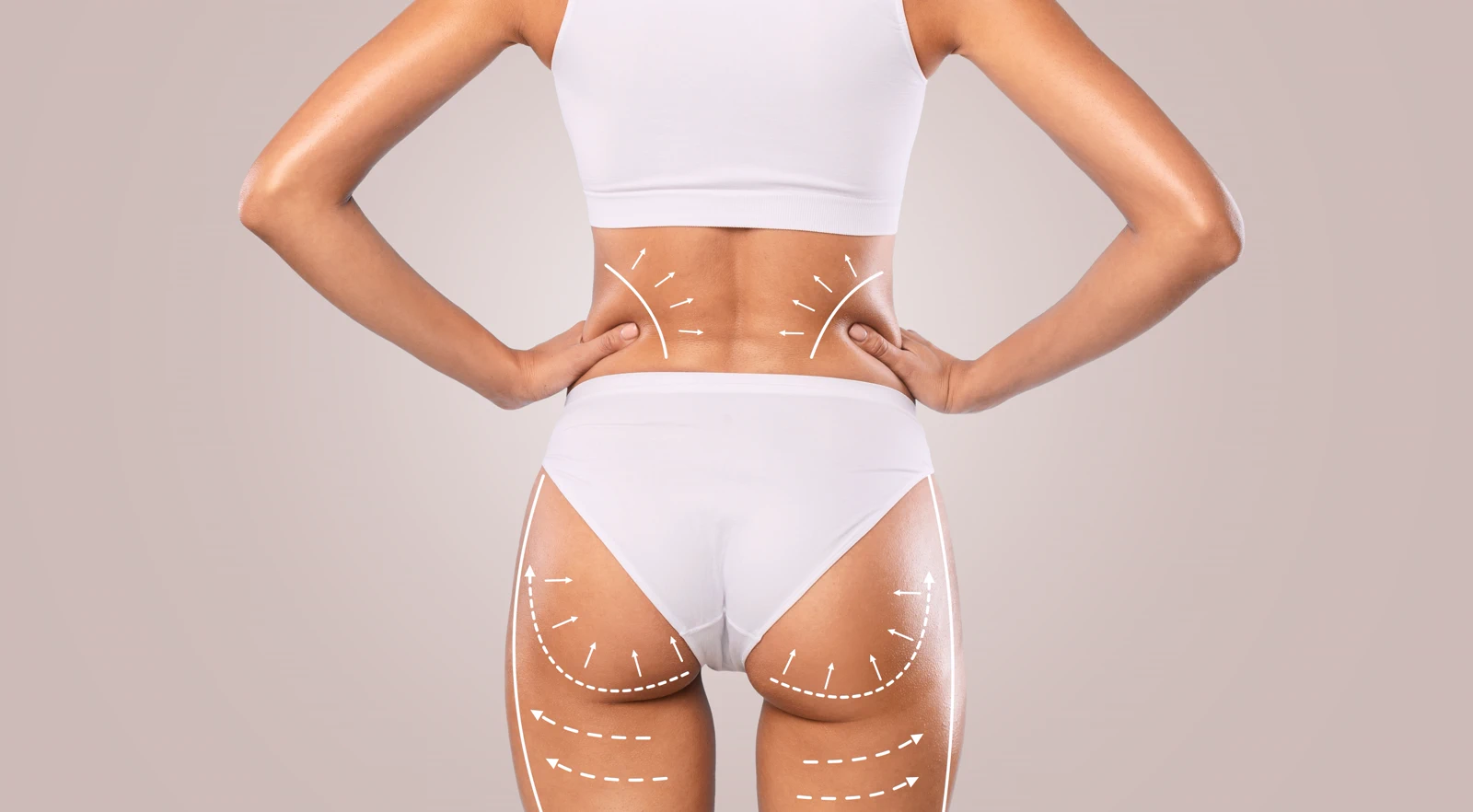
A Brazilian butt lift (BBL) is a contouring operation that combines liposuction with autologous fat grafting to the buttocks. Fat is harvested from areas such as the abdomen, flanks or thighs, processed to remove oil and blood, then injected in small aliquots to increase projection, fill hip dips or improve overall gluteal shape.
The term appears on aesthetic surgery quotes because it describes a specific goal and technique, not a single standardized implant. Volume gain depends on how much usable fat can be safely harvested and how much survives after transfer; surgeons often quote a target range rather than a fixed cup size. Because fat is living tissue, part of it may be reabsorbed over the first year.
BBL carries a distinct safety concern: if fat is injected too deeply into or beneath muscle, fat can enter veins and cause a serious fat embolism. Modern guidelines emphasise subcutaneous placement only and careful cannula direction. Ask how harvest sites, projected volume and embolism-prevention steps are documented in the operative plan.

Frequently asked questions
Does a Brazilian butt lift use silicone implants?
How much of the transferred fat stays after a BBL?
Why is fat embolism discussed so often with BBL?
Further reading




