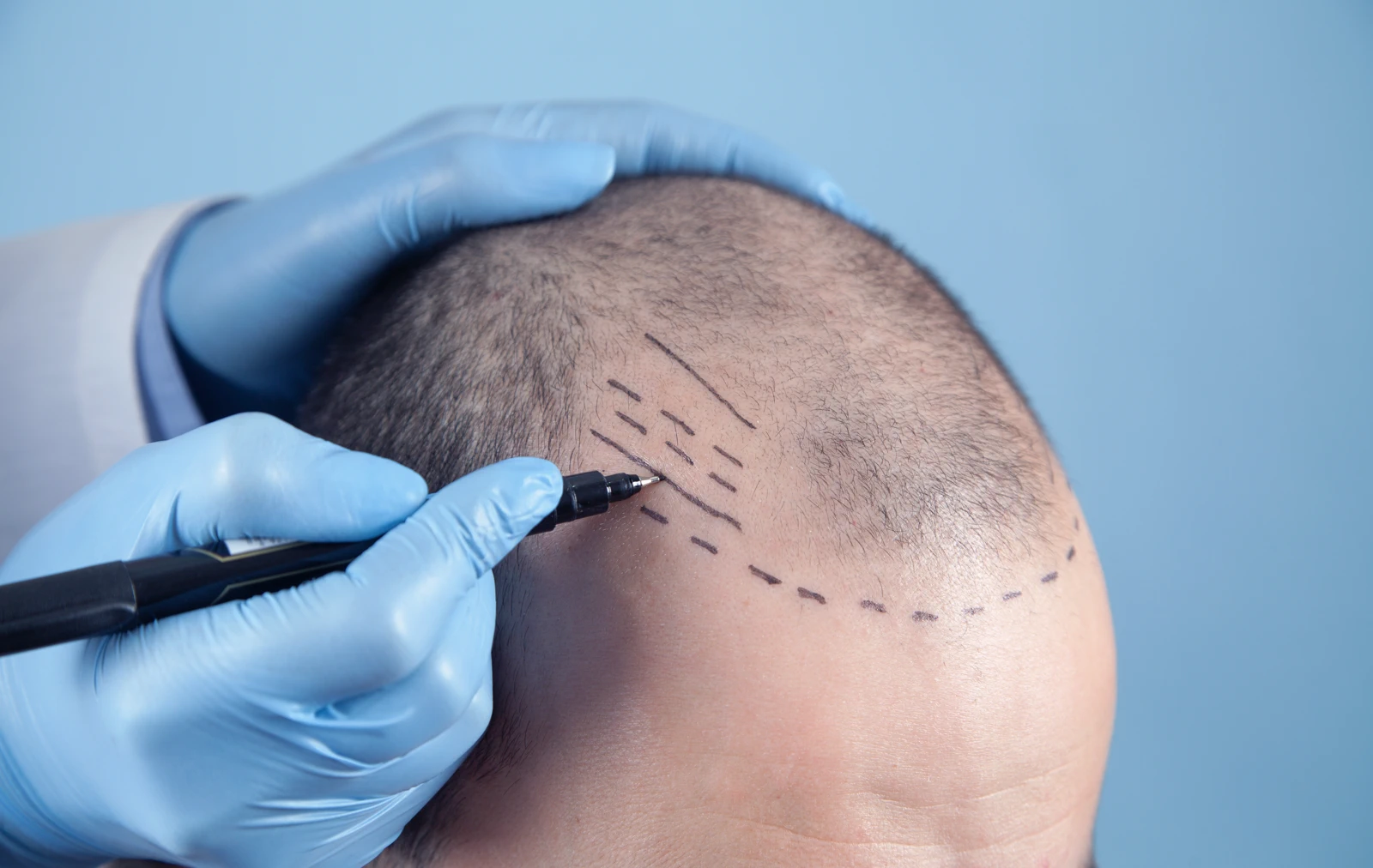
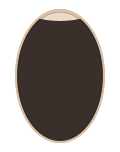
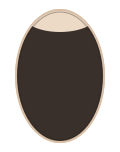
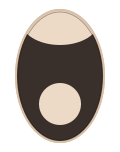
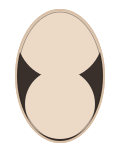
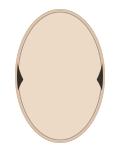
The Norwood scale was published in 1975 and is still the shorthand every hair clinic uses, because it predicts something useful: roughly how many grafts a case will need. It is not a medical diagnosis and it says nothing about why you are losing hair.
Finding your stage honestly
Take a photograph under a bright overhead light, with dry hair, from the front and from above. Hair arranged to cover a thin area will put you a stage lower than you are, which helps nobody. The photograph is the measure, not the mirror.
What it does not tell you
Two people at stage 4 can need completely different plans. The scale describes the area to be covered; it says nothing about the donor area that has to supply it, and the donor area is what decides what is possible. A stage 6 with a dense donor area has better options than a stage 4 with diffuse thinning at the back.
The stage you will be at
Pattern loss is progressive. A good surgeon plans for the stage you are heading towards and not the one you are at, which is why a 26-year-old at stage 3 is usually advised to hold grafts back. If nobody raises this with you, raise it with them.