

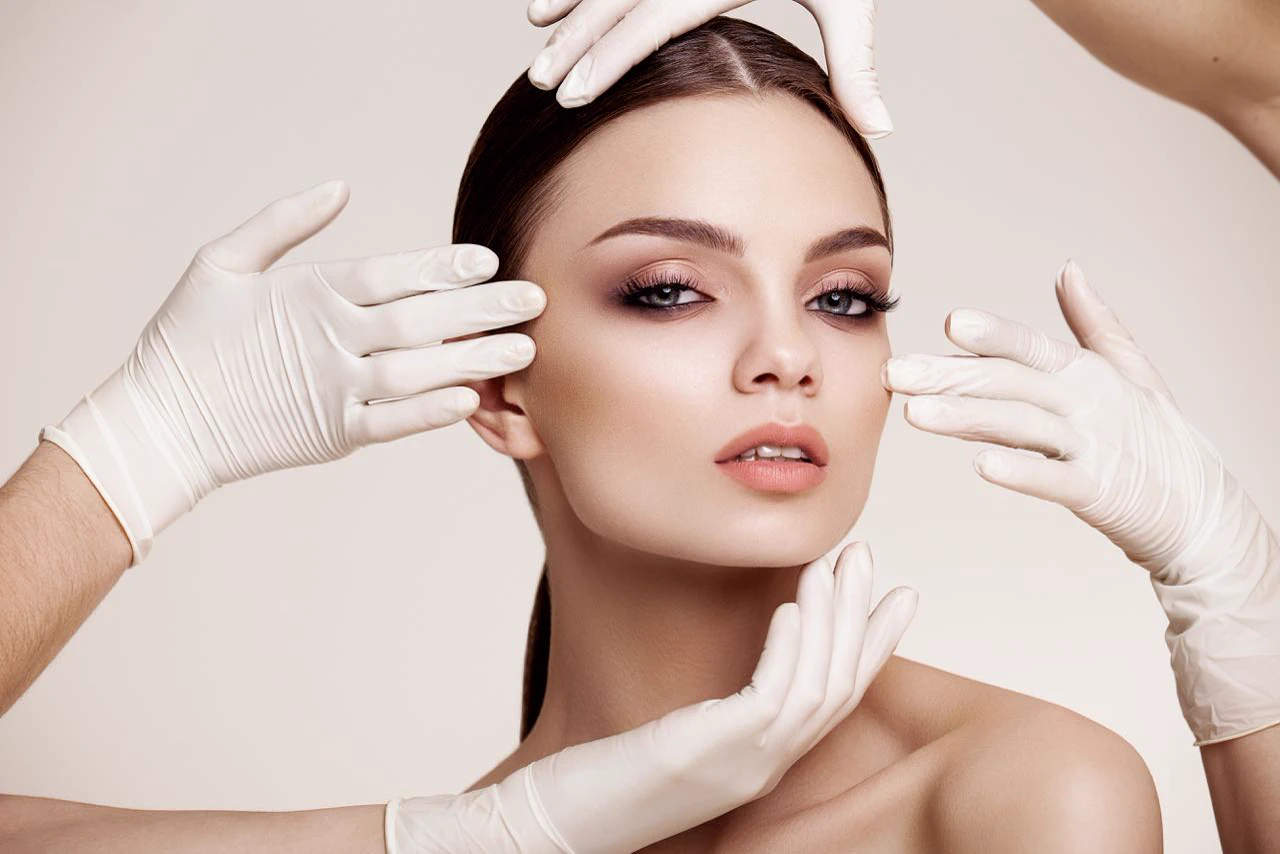


See the change, not a new face
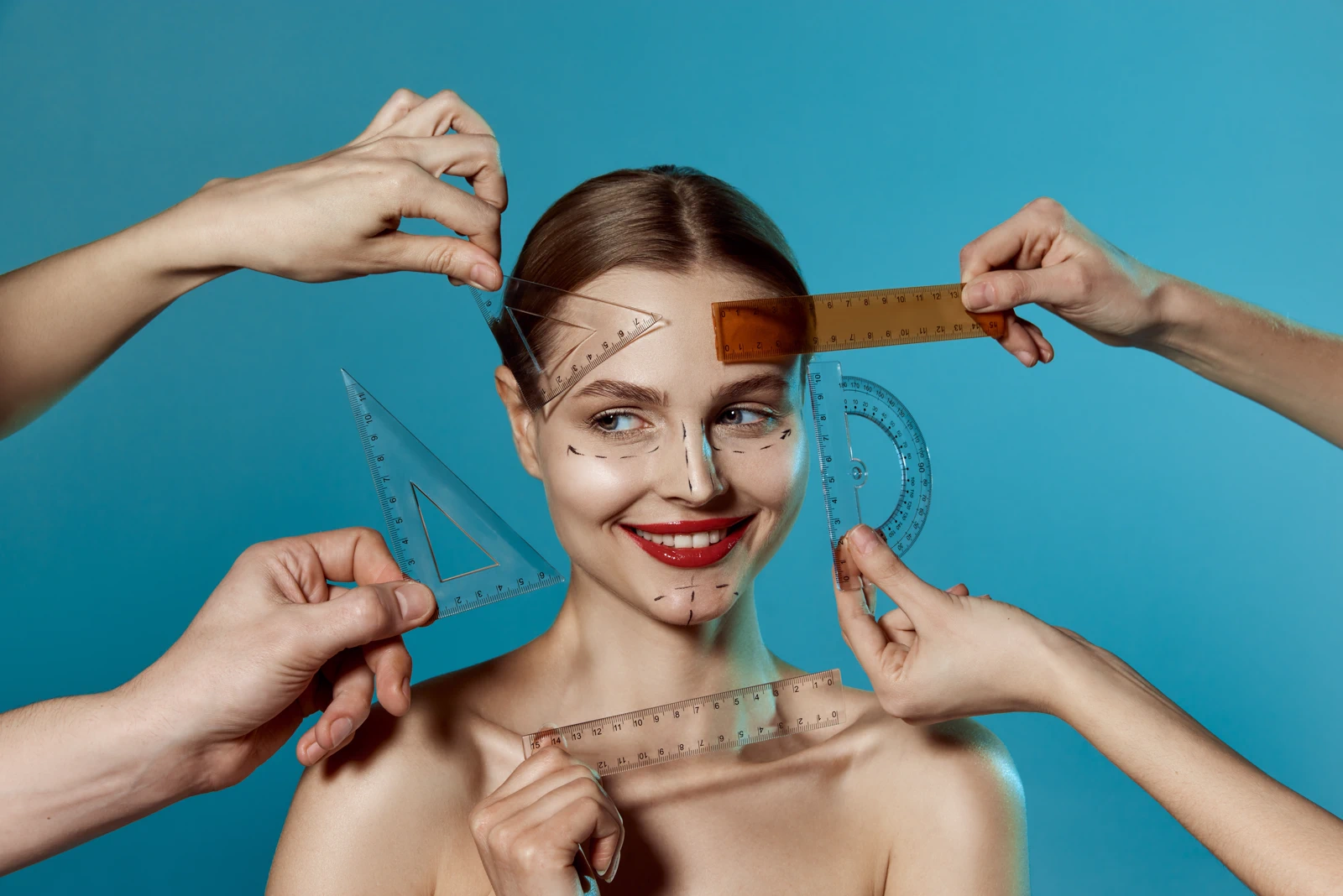
Pick what bothers you — a hump, a drooping tip, a crooked line — and we will show it altered on your own photograph, beside the original. The simulation is deliberately conservative, because the quickest way to make someone unhappy with good surgery is to show them something better first.

 Your nose, changed — not a stock result
- Every image is watermarked as a simulation
- Nothing is stored unless you ask us to call you
This is a drawing, not a plan. It shows roughly what a change would look like on your face; it does not say the change is possible for you, and only a surgeon who has examined your nose can tell you that.
Drawing your simulation
This takes up to a minute. Please keep the page open.
A simulation is an illustration of a request, not a prediction of an outcome. It cannot see your cartilage, your skin thickness or your breathing, and all three decide what is actually achievable. Bring this to a consultation as a way of saying what you want — not as a result to be matched.
Why this one is deliberately underwhelming
Most nose simulators flatter. They produce a small, straight, symmetrical nose on every face, because that is what gets shared and what gets people to fill in a form. The cost of that lands later, on a surgeon explaining why a technically excellent result does not match a picture the patient has been carrying for six months.
What we hold back
The default strength is the smallest visible change. The prompt forbids every edit you did not ask for — no smoothed skin, no slimmed face, no whitened teeth, no altered age — and tells the renderer to preserve the asymmetries that make a face look like a real one. Where a change cannot be made without touching something else, it makes the smaller change.
Why it is watermarked
Because a simulation that escapes this page becomes evidence. Marked images cannot be passed around as photographs of our results, by us or by anyone else.
What it genuinely is good for
Saying what you want. Patients are much better at recognising the change they are after than describing it, and a surgeon who can see what you picked starts the consultation a long way ahead.
What happens to your photograph
It is sent to be edited and not kept. If you ask us to get in touch, we store the list of changes you chose — which is the useful part — and your contact details. Not the pictures.
Next

Want to know whether this is actually possible for you?
Send us the simulation and we will have a surgeon say what is realistic given your cartilage and skin — including when the honest answer is that we would not operate.